Featured Image Credit: Getty Stock Image

Topics: Health, Women's Health
 Ella Scott
GLP-1 medication usage in the UK is booming, with an estimated 1.6 million people using the jabs in the UK, according to recently published statistics.
Among those using the injections, 2.9 percent reported using them for weight loss purposes, according to University College London.
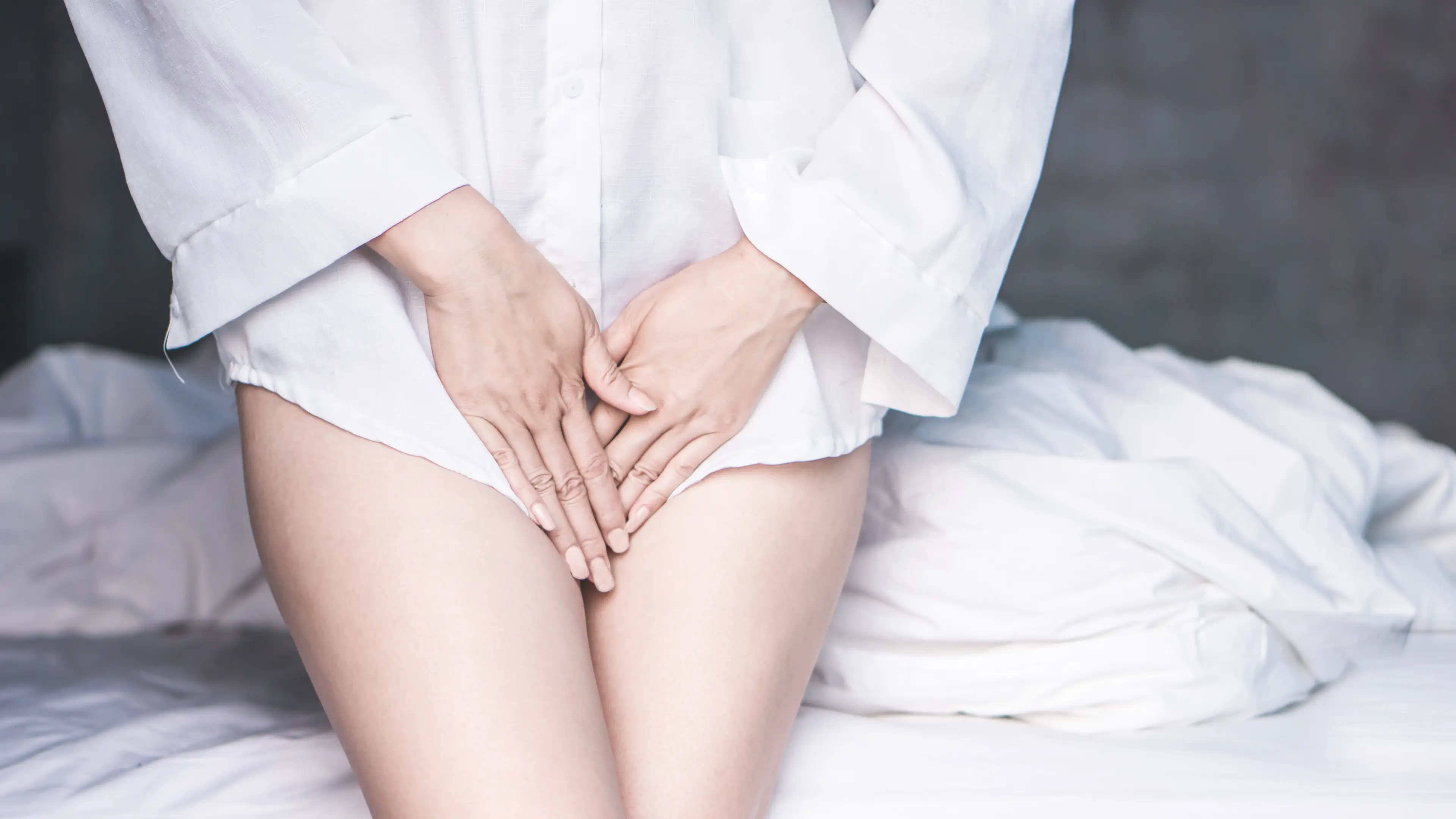
But some people who use the drugs may experience a myriad of well-documented side effects, including serious vulva and vaginal problems.
Some of the most documented repercussions of GLP-1 medications include weight loss, muscle decline, and gastrointestinal issues such as nausea, diarrhoea, and constipation, as per Harvard Health.
Reduced appetite, fatigue, and vision changes have also been reported online by injection users, as well as headaches and skin reactions.
Advert
Another issue that health experts are warning against is vaginal-based problems.
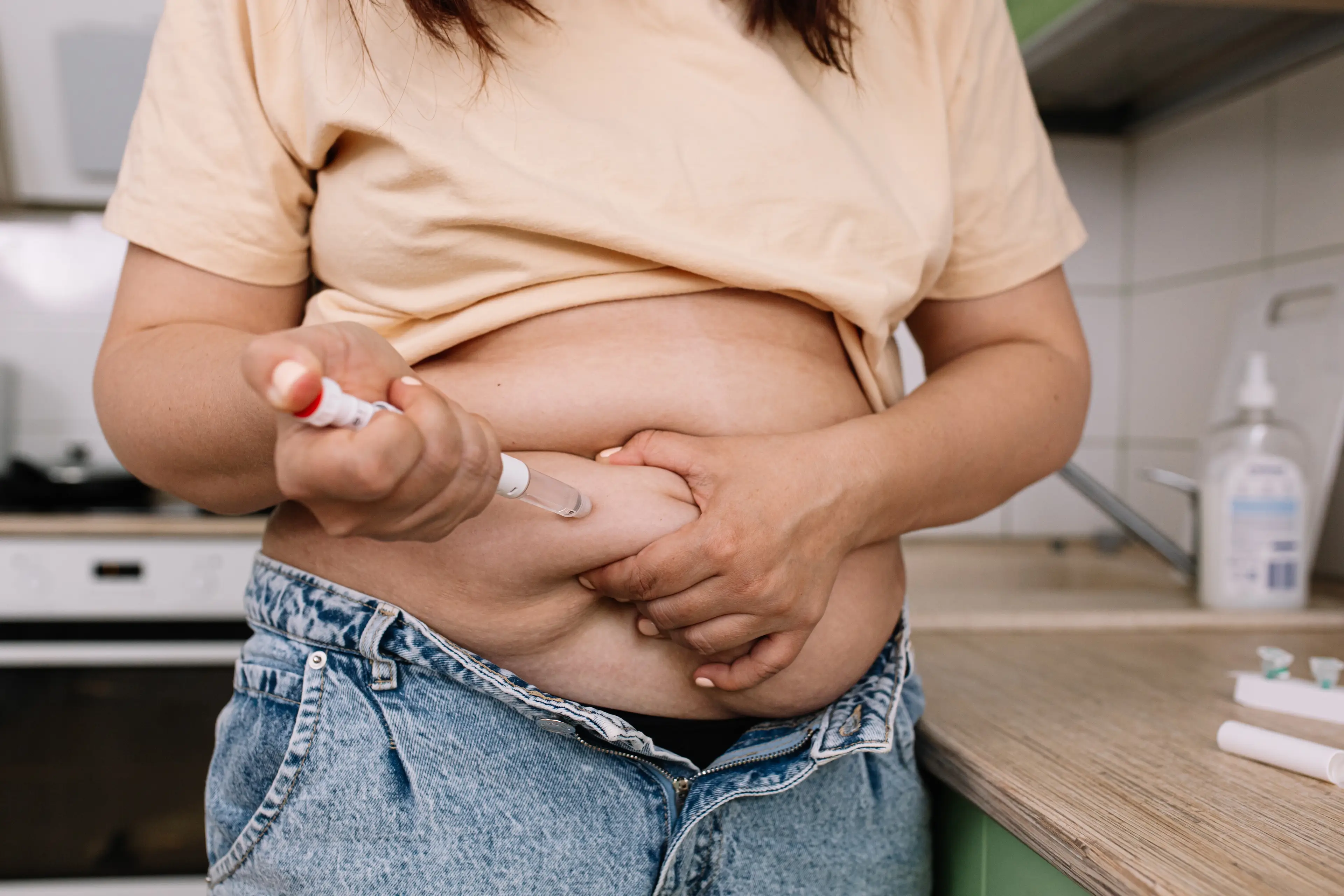
While there are no exact statistics on how many medication users are dealing with vulva issues, doctors have warned that a multitude of symptoms may arise.
Here’s what you need to look out for, as well as how you can properly manage the effects.
Sherry Ross, an award-winning OB/GYN and women's health expert, Santa Monica, California, told Health Central that so-called ‘skinny jabs’ can ‘cause visible skin sagging, laxity, and wrinkles’.
Moreover, she warned that women could experience alterations in discharge consistency and colour, changes in odour, and an increased incidence of vaginal infections.
Worryingly, pelvic floor strength can decline with GLP-1 usage, the Pelvic Health and Rehabilitation Centre stated.
Symptoms associated with a weakened pelvic floor include: urinary issues, constipation, and difficulty emptying the bladder, as per The Cleveland Clinic.
Notably, Dr Melanie Bone, a U.S. medical director at the virtual women’s health clinic Daye, told the outlet that the injections may cause vaginal dryness.

“A downturn in estrogen levels during and following GLP-1 agonist use can lead to vaginal symptoms such as vaginal dryness, irritation, and changes in discharge,” she explained.
She also said that the reduction in vaginal lubrication can make penetration uncomfortable, advising that store-bought lubricant may alleviate symptoms.
According to University Hospitals, GLP-1 agonists may boost fertility by improving overall health.
Dr Adam Evans, a reproductive endocrinology and infertility specialist, explained that this is because if women who aren’t ovulating properly lose weight, it can help them ‘achieve normal cycles and ovulation’.
This is especially true for women who have polycystic ovarian syndrome (PCOS).
As well as increasing fertility, the drugs may interact with oral contraception, rendering it less effective.
The Faculty of Sexual and Reproductive Health advised that if you’re using tirzepatides, such as Mounjaro and Zepbound, you should use a barrier method of contraception in addition to your pill for four weeks after starting the medication, and for four weeks after any increase in dose.
Other vaginal health implications include, but are not limited to:
Experts at Healthline have identified a myriad of ways to manage the effects of GLP-1 medications, including staying hydrated.
Women should aim to drink around six to eight cups of water per day, according to the NHS.
The professionals also suggest using moisturisers to manage dryness, practising pelvic floor exercises to strengthen muscles, and slowing down weight loss if the symptoms are too severe.
It’s also advised that you consult with your doctor to see if you need to reduce your GLP-1 medication dosage.