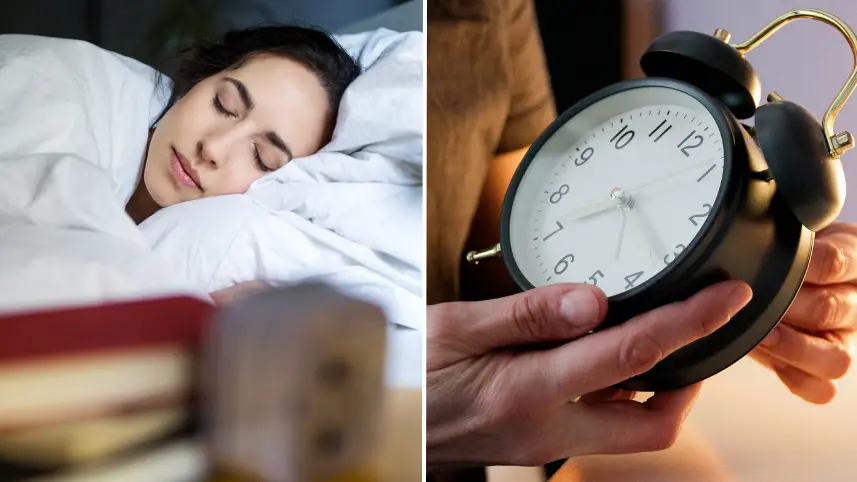
Sleep expert reveals how to prepare for clocks going forward tomorrow night

Every year, the clocks jump forward and back, and every year we act like it’s brand new information.
And here we are again, as it's once again time to get back on top of staying awake when our body says otherwise.
This Sunday (29 March), the clocks move forward an hour to mark the start of British Summer Time, meaning that longer evenings are on the way!
Your lie-in, sadly, is not.
Advert
Given how exhausted many of us are most of the time, it's clear that losing an hour of precious beauty sleep is no easy feat, which is exactly why it's so important to know exactly how to navigate this without too much stress, whether you have children or are child-free.
Sleep expert Martin Seeley, from MattressNextDay, explains that in order to understand the effects on our body clock, we need to get to know our ‘circadian rhythm’.

The circadian rhythm
Seeley says: “The circadian rhythm makes up our internal body clock and runs in a 24-hour cycle. It plays an instrumental role in our sleep and wake cycle, and is heavily influenced by the environment.
“For instance, as the evening draws in and it becomes dark, the circadian rhythm signals to the brain that we need to grow tired, promoting the sleep hormone melatonin.

“When morning comes, and the light in our environment becomes brighter, it lets the brain know that we need to be awake and alert.
"The smallest change can throw this rhythm out of whack. This doesn’t just affect our sleep, as the circadian rhythm also plays a role in our digestive system, electrolyte balance, body temperature and hormones.”
Helping a child adjust
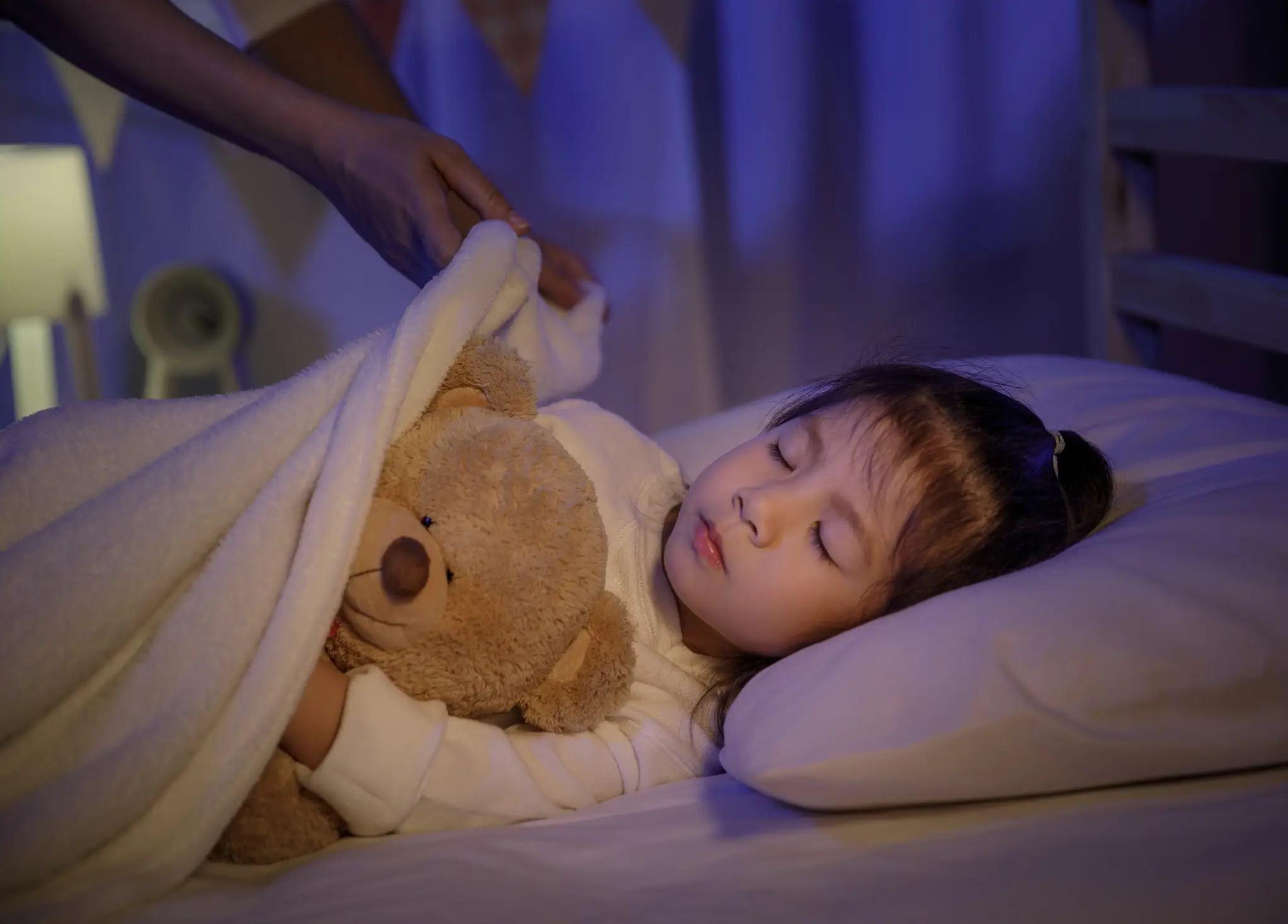
Seeley recommends that in the run-up to the clocks going forward, you should move your child’s bedtime back by 10 minutes every couple of nights.
He adds that nap times should also be altered. By doing so, by the time the clocks go forward, your child is less likely to experience any drastic change.
"In the morning, expose your child to as much light as possible, letting the body know that it's daytime.
"As their bedtime draws closer, gradually darken their environment over the course of the hour," Seeley advises. This will ‘help to reset’ the body clock.
Most people respond well to structure, and children ‘are no different', he concludes.
Helping yourself adjust
Seeley says: “The brain often needs help to switch off, so stimulation needs to be kept to a minimum. If staying away from electronic devices completely is unlikely, aim to restrict what you are looking at. For instance, implement a ban on viewing work emails past 8pm.”
As the clocks will spring forward on a Sunday, Seeley says: "If you are mindful that this may impact your working day, make the alteration on Friday evening – this will give you a couple of days to get used to the change."
Here's the rest of his tips...
- Adjust your mealtimes by moving them an hour earlier. This way, you will avoid eating later than usual, so your sleep cycle can stay on track.
- Open the curtains and let in the light as soon as you wake up. Daylight helps suppress melatonin, the sleep hormone, so getting some sun as soon as possible will help you feel more awake and alert.
- Try breathing exercises to help you drift off faster. Count down from 9, going down a number on each deep breath. When you get to zero, start again, but from 8, and continue – if you lose your place, start again from whichever number you last remember counting down from.
- Avoid screens before bed. The blue light tricks your brain into thinking it’s daytime and can disrupt your sleep even more. Put down screens and devices for at least two hours before sleep - this means your body can produce melatonin to help you sleep.
- Allow yourself a power nap during the day if you feel like you need it – but try not to nap too late in the afternoon, or for longer than 20 minutes, as this will make it more difficult to sleep at bedtime.
- Make the most of the extra hour for some self-care, like some gentle exercise that can help you burn off extra energy and help you fall asleep faster, or a relaxing bath to relax and get ready for bed.
See you on the other side!
Topics: Sleep, Life Hacks
 Kya Buller