
What happens if an actor gets erection whilst filming sex scene, according to intimacy coordinator

Topics: Celebrity, Explained, Sex and Relationships, TV And Film, Social Media, TikTok
 Rhiannon Ingle
Topics: Celebrity, Explained, Sex and Relationships, TV And Film, Social Media, TikTok
If you’ve ever wondered what actually happens when an actor gets a little too excited whilst filming sex scenes, wonder no more.
Jessica Steinrock, PhD, better known on TikTok as @intimacycoordinator, has answered all your grating questions about everything you ever wanted to know about sex on the big screen but were afraid to ask.
The expert took to the social media platform to share a video captioned 'one of my most asked questions’.
Steinrock, who has worked as an intimacy coordinator on Yellowjackets, Netflix's Never Have I Ever and Hulu's Little Fires Everywhere, began by explaining that those on set can 'ask any question that comes across your mind', adding: "It is my job to make sure you have all of the information to do your best work, and frankly vascular reactions are something that affects everybody."
Advert
In case you need your biology refreshed, Steinrock explains that a 'vascular reaction' is simply the phrase used when discussing the subject of any type of blood flow to the genitals.

"[It] could mean an erection in the penis, but it can also mean increased blood flow to the vulva or wetness," she said.
"Vascular reactions are one of the reasons we spend so much time talking about barriers and modesty garments," Steinrock added.
Different types of modesty garments and barriers are required for different sorts of sex scenes and bodies. For instance, strapless thongs, which adhere to the skin, are ideal for scenes showing naked bodies from the side or behind.
For actors with penises, padded pouches can be used. Sometimes padded pouches have a 'tail' to stop the pouch bouncing around too much, according to modesty garment business Covvier.
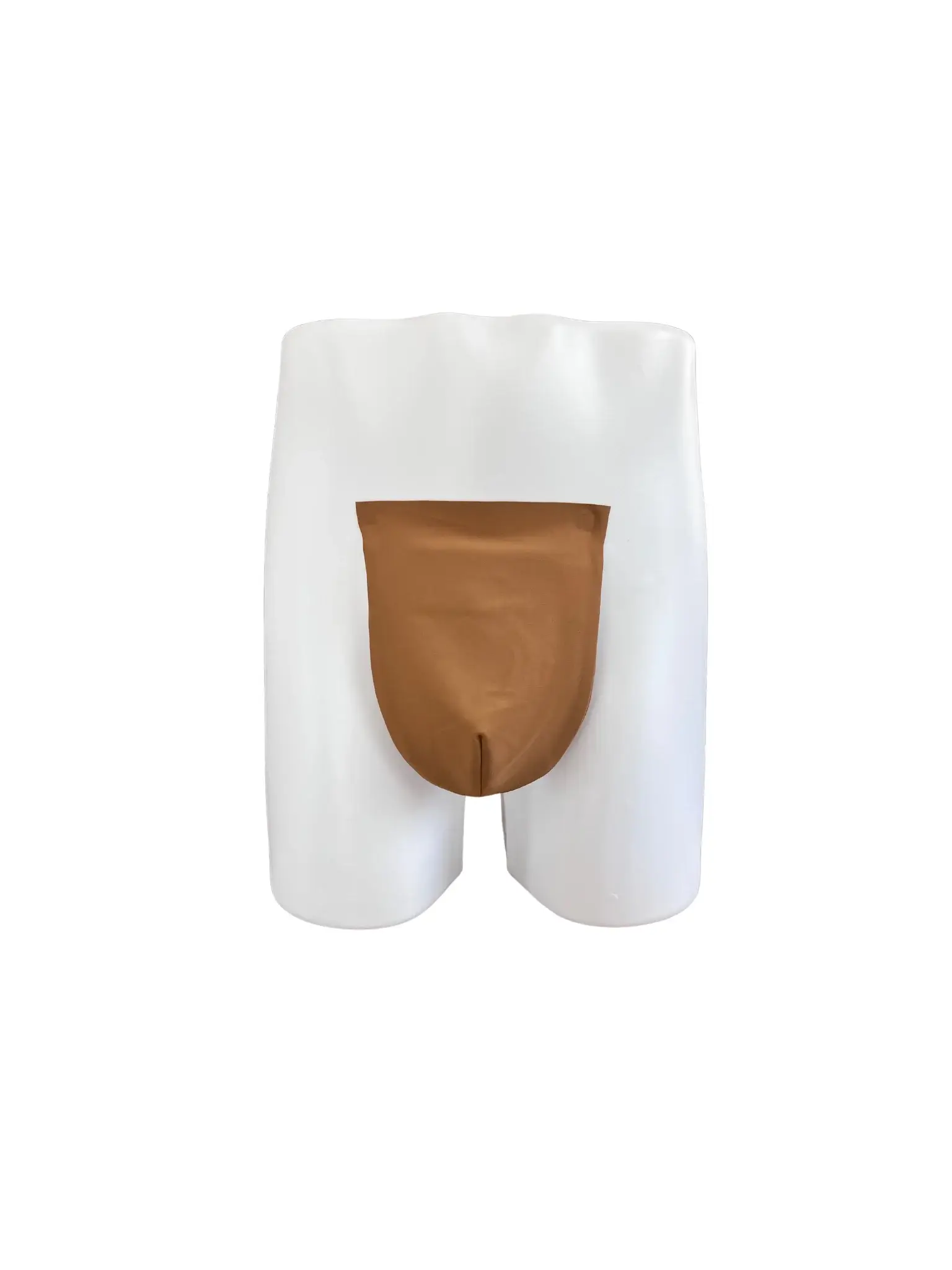
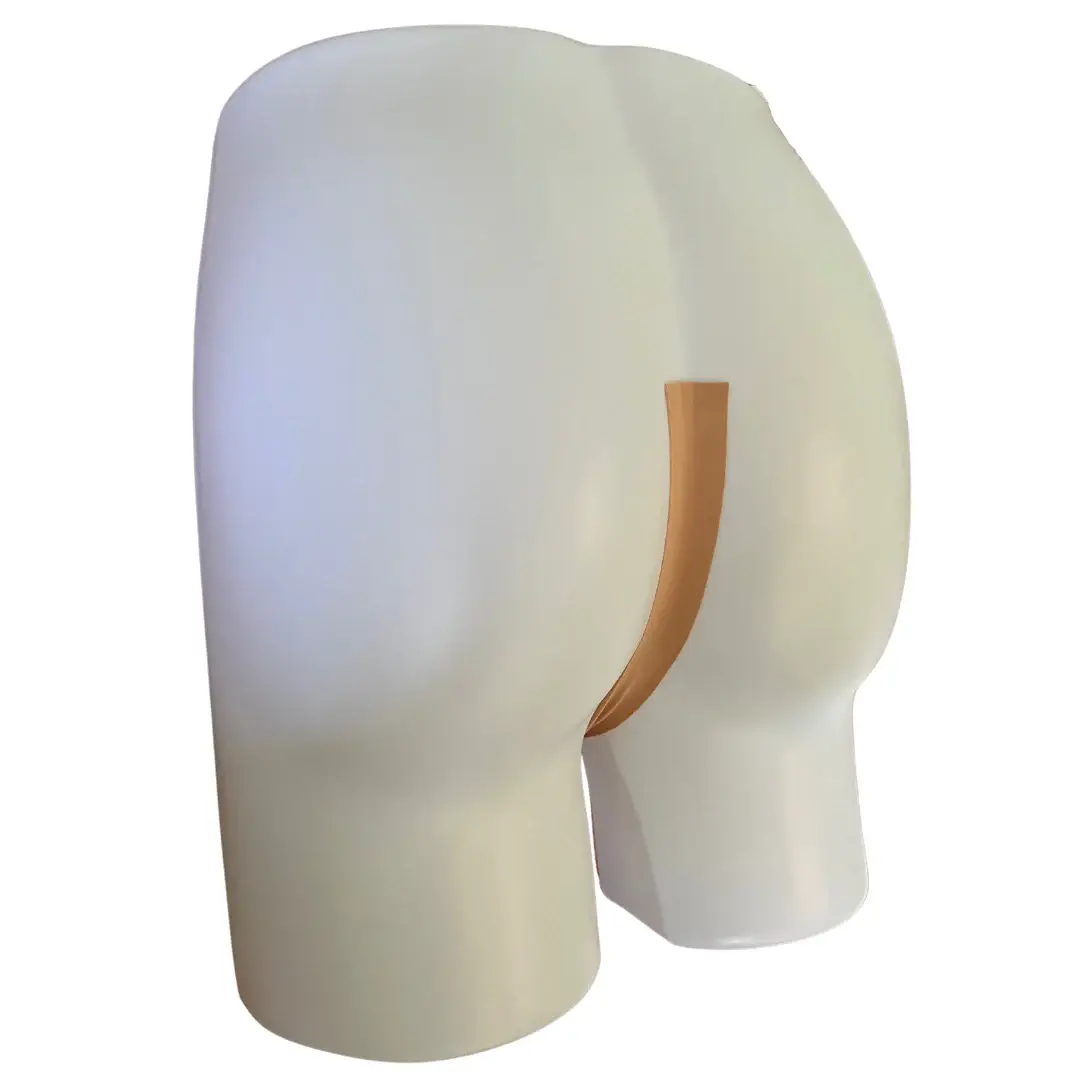
Offering a little more detail as to how each specific garment worked, Steinrock shared: "Your scene partner is going to have a modesty garment that has a barrier inside; this barrier is designed to prevent physical sensation for both you and your scene partner."
For instance, the below sponge pad can be added into the performer's modesty garment 'when the scene calls for barrier protection, or the performer wants to feel more concealed', Covvier explains.
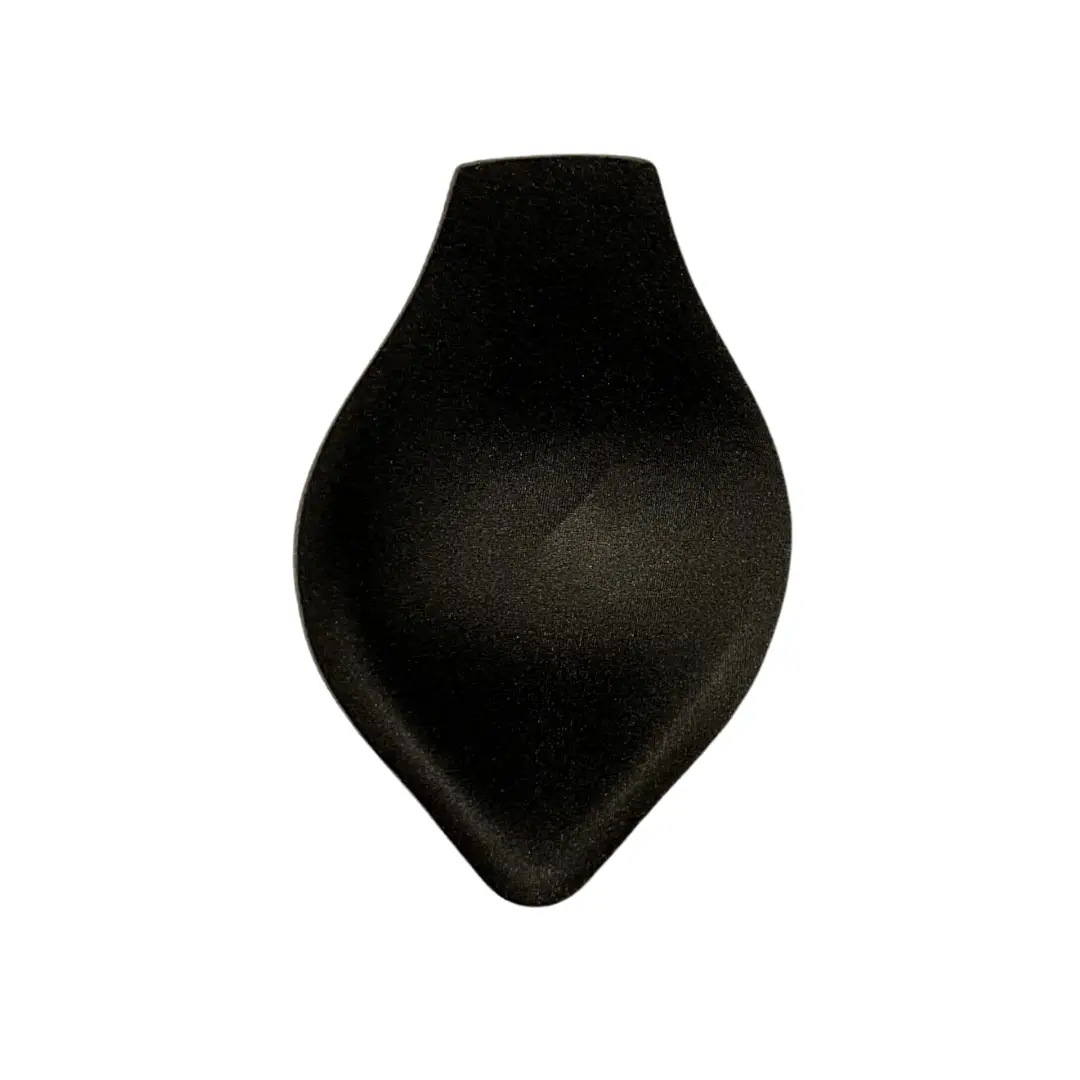
The garments are dual-purpose, as this also means that any potential 'vascular reaction' would be padded, which would stop your scene partner from feeling it, and vice versa.
Steinrock concluded: "Then, if it's needed, either one of you is allowed to ask for a break at any point, no questions asked, so if things are going as planned, then no one ever needs to know if a vascular reaction has occurred on set."
Well, I guess you really do learn something new every day! Proof, too, perhaps that you shouldn't believe everything you see on the big screen - even the things you're not meant to see.