tyla homepage
  • News
  • Life
  • TV & Film
  • Beauty
  • Style
  • Home
  • News
    • Celebrity
    • Entertainment
    • Politics
    • Royal Family
  • Life
    • Animals
    • Food & Drink
    • Women's Health
    • Mental Health
    • Sex & Relationships
    • Travel
    • Real Life
  • TV & Film
    • True Crime
    • Documentaries
    • Netflix
    • BBC
    • ITV
    • Tyla Recommends
  • Beauty
    • Hair
    • Make-up
    • Skincare
  • Style
    • Home
    • Fashion
    • Shopping
  • Advertise
  • Terms
  • Privacy & Cookies
  • LADbible Group
  • LADbible
  • UNILAD
  • SPORTbible
  • GAMINGbible
  • UNILAD Tech
  • FOODbible
  • License Our Content
  • About Us & Contact
  • Jobs
  • Latest
  • Archive
  • Topics A-Z
  • Authors
Facebook
Instagram
X
Threads
TikTok
Submit Your Content
Cardiologist reveals six things you should ‘never’ do after 6pm

Home> Life

Published 15:04 10 Apr 2026 GMT+1

Cardiologist reveals six things you should ‘never’ do after 6pm

Your evening routine could be affecting your heart more than you think

Ben Williams

Ben Williams

google discoverFollow us on Google Discover
Featured Image Credit: Getty Stock Images

Topics: News, Health

Ben Williams
Ben Williams

Advert

Advert

Advert

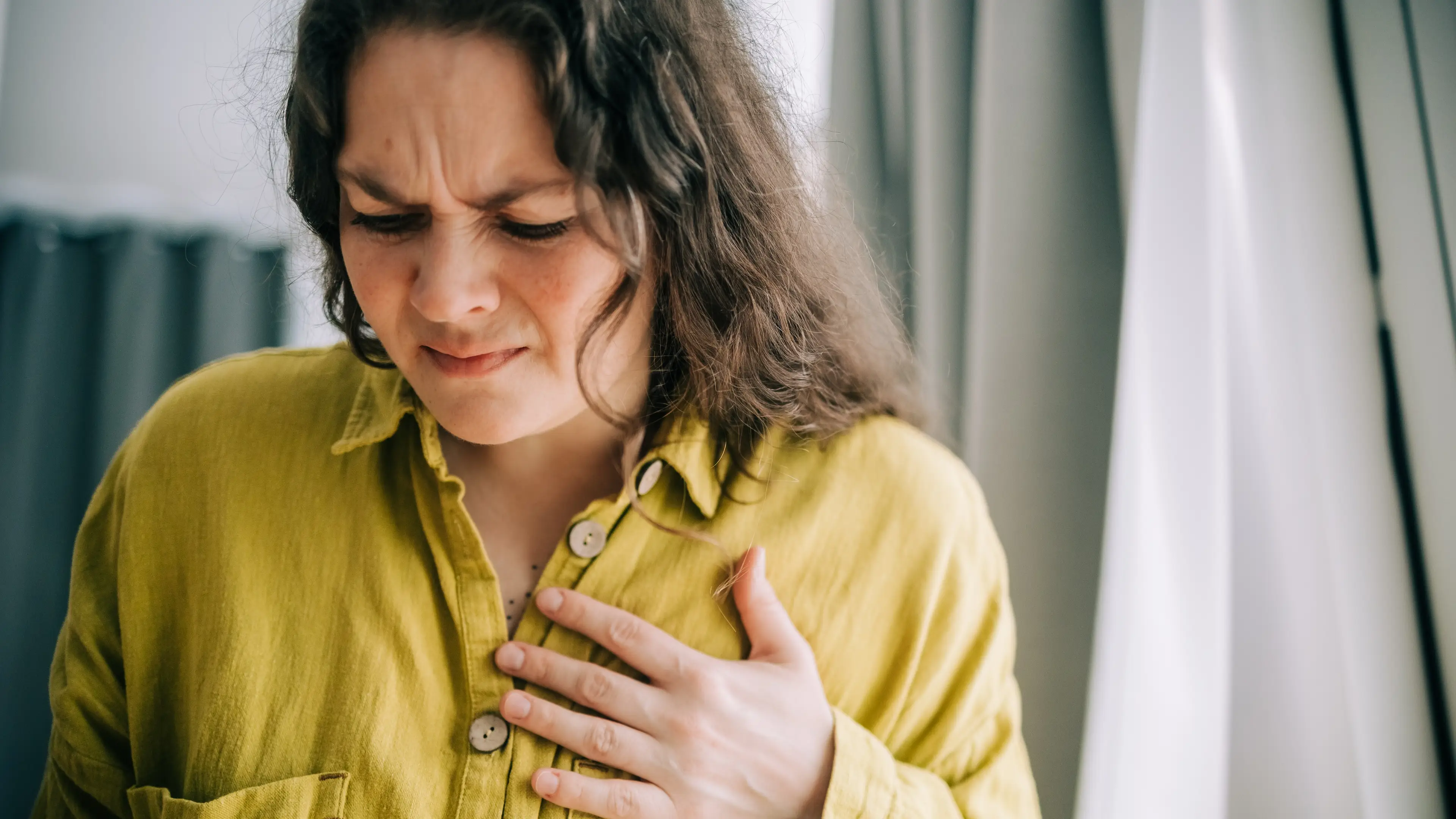
A cardiologist has revealed there are six things he says he would never do after 6pm if he wants to protect his heart, warning that some of the habits people fall back on in the evening could be doing more harm than they realise.

While heart health advice usually focuses on the bigger-picture stuff like diet, smoking, and exercise, Dr Francesco Lo Monaco says the hours before bed matter too. According to the heart specialist, what your body is exposed to later in the day can affect rest, recovery, and how hard your system has to work overnight.

Because most of these routines feel pretty harmless, they are easy to ignore. However, his list includes several common habits that plenty of people probably do without thinking twice.
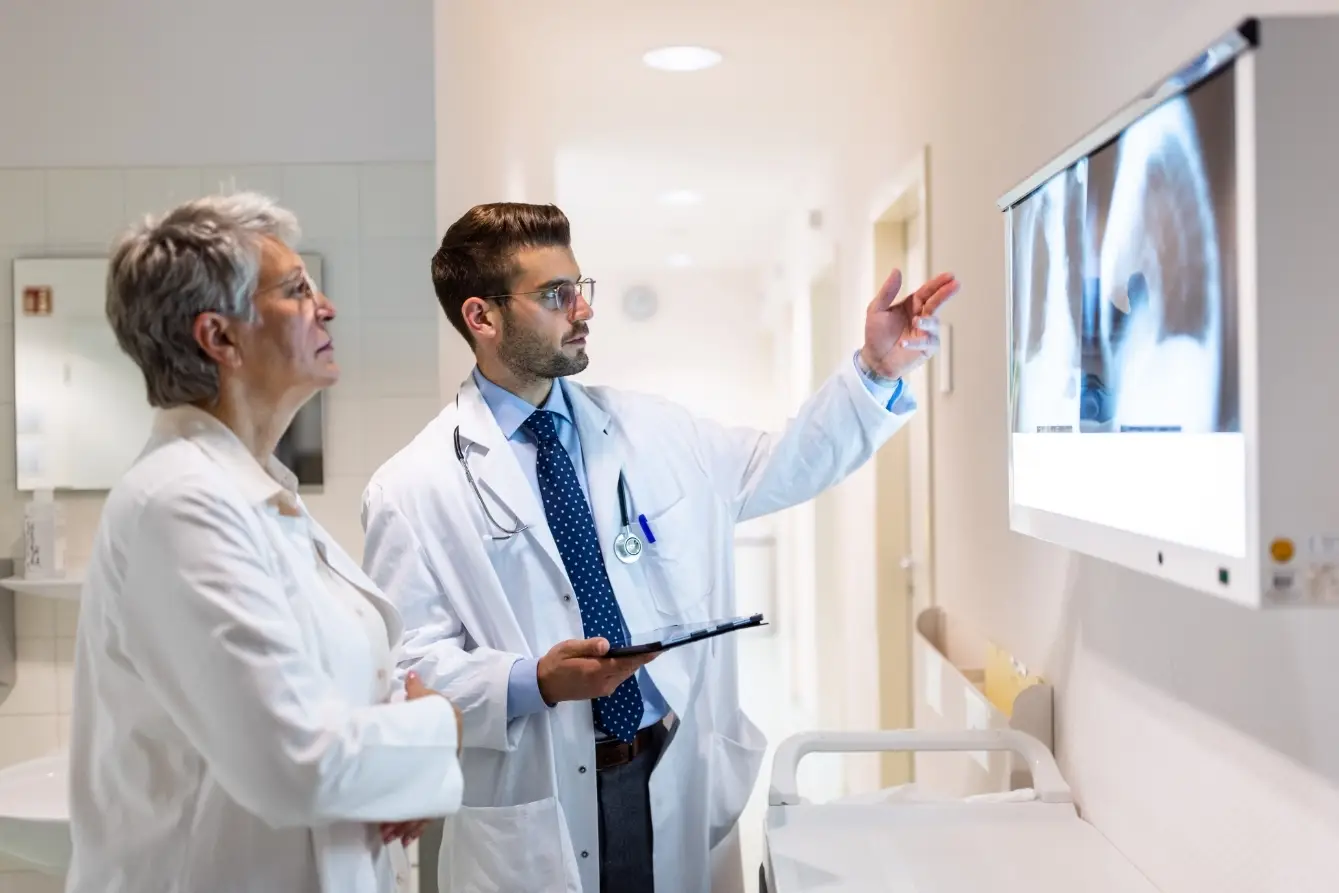
The cardiologist says even small evening routines can affect overnight recovery (Getty Stock Images)

Advert

One of them is using strong antibacterial mouthwash in the evening. According to The Mirror, Dr Lo Monaco said: “The bacteria in your mouth helps convert compounds from food into nitric oxide, which keeps your blood vessels flexible and able to relax when needed.

“However, some powerful mouthwashes can wipe out this bacteria, which can raise blood pressure, which is not what you want when your body should be resting and recovering from the day.”

He also warned against too much blue light later on, especially from phones and screens, before bed, adding: “Bright blue-rich light in the evening, especially through the eyes, can suppress melatonin, which isn’t just for sleep, it’s actually one of the most protective antioxidants for your blood vessels”.

“So less melatonin means more oxidative stress in your arteries over time.”

Another thing on his list is intense static exercise at night, including planks, wall sits, and dead hangs, saying: “If you’ve already had a stressful day, your nervous system is in overdrive, and heavy late-night strain keeps it there…Train hardest early in the day and keep any late-evening exercise sessions lighter to help your heart.”
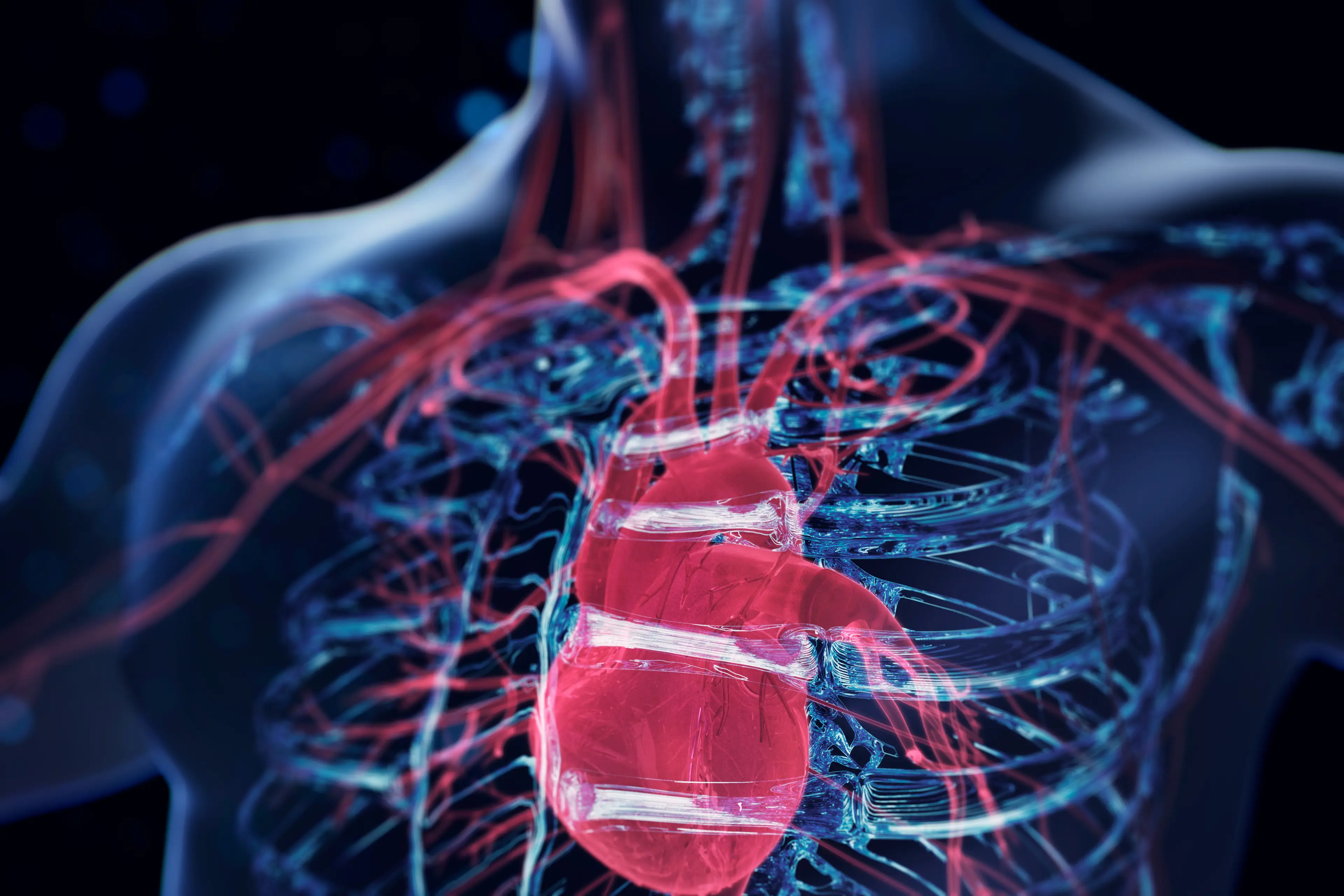
Some of these everyday evening routines may be putting extra strain on your heart(Getty Stock Images)

Dr Lo Monaco also advised people to be careful with calming supplements before bed, including things such as green tea and L-theanine, saying they can influence stress response, sleep, and heart rhythm depending on the dose, timing, and context.

Breathwork made the list, too, specifically when it involves holding your breath for long periods, with Lo Monaco explaining: “I value breathwork, but long or repeated breath-holding can drop oxygen levels and put extra load on the heart in some people.”

Finally, he said eating too close to bedtime is another habit worth avoiding. He explained: “If you eat too close to when you sleep, your body is being forced to increase sympathetic activity when it should be resting.”

“By simply fasting three hours before bed you will reduce endothelial stress and improve vascular flexibility, meaning less oxygen demand on your heart and more efficient overnight recovery during sleep.”

Choose your content:

3 hours ago
4 hours ago
  • Getty Stock
    3 hours ago

    Premenstrual Vocal Syndrome explained after women complain about bizarre symptom

    The body can do weird and wonderful things around your period, but this is a new one for many

    Life
  • Getty Stock Images
    3 hours ago

    Bacterial vaginosis isn't recognised as an STI despite affecting millions of women - doctors are calling for change

    Bacterial vaginosis symptoms include unusual discharge, a strong fishy odour, vaginal itching or irritation, and a burning pain while peeing

    Life
  • Getty Stock Image
    4 hours ago

    Why everyone is getting so ill at the moment

    A doctor has explained the real reasons why everyone is feeling so run-down right now

    Life
  • Getty Stock Images
    4 hours ago

    Colorectal cancer warning signs in Gen Z and Millennials revealed by Yale doctor

    Haddon Patel, MD, described the surge in colorectal cancer cases amongst under 50s as a 'clear uptick'

    Life
  • Psychologist reveals two things you should never tell your partner
  • Three things you should not do tonight during rare blood moon
  • Doctor reveals one ‘red flag’ period symptom you should never ignore
  • CEO shares three things you should never reveal about yourself in job interview