
Featured Image Credit: Getty Stock Images

Topics: Bowel cancer, Cancer, Real Life, True Life, Advice
 Rhianna Benson
Topics: Bowel cancer, Cancer, Real Life, True Life, Advice
It might be the human race's biggest killer, but not every rumour you hear about cancer is true.
With this in mind, a group of doctors have rallied together to debunk six of the most common myths surrounding the devastating disease.
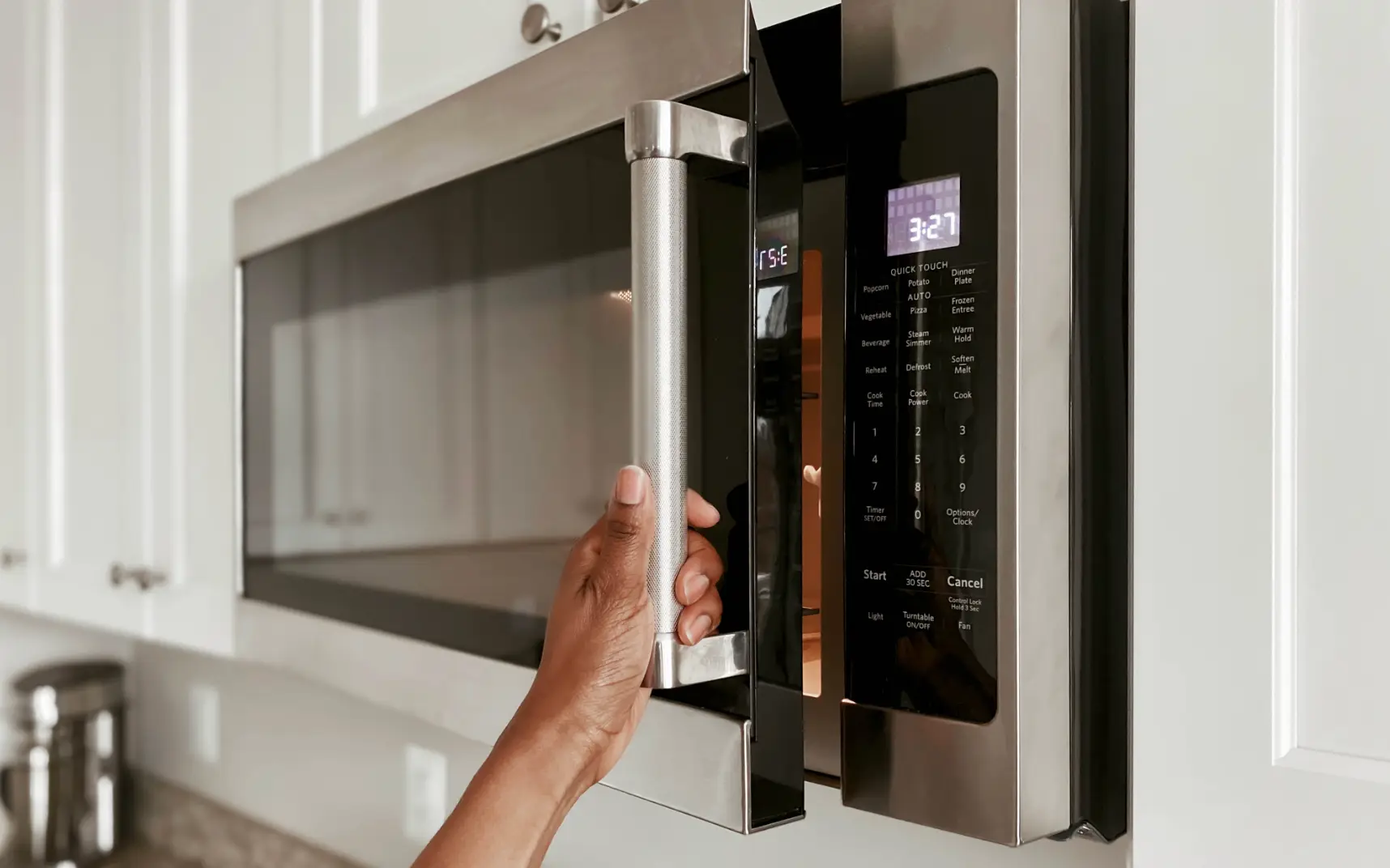
The first hinges on the long-standing rumour that microwaves can cause cancer.
These concerns somewhat stem from the belief that the radiation created by these household appliances can affect a person's DNA and trigger the growth of tumours.
Others have raised concerns regarding the possibility that microwaves cause plastic leaching.
Advert
According to the Cancer Council, however, only ionising radiation (like X-rays, UV, etc) have been linked to an increased risk of cancer.
Microwaves, meanwhile, use non-ionising radiation, which makes water molecules vibrate to heat your food - not make it cancerous.
Speaking of plastics, another rumour that keeps society in a chokehold is that drinking from a plastic water bottle makes people more susceptible to a cancer diagnosis.
The idea is that chemicals in plastic might leach into the water. Consuming this water could then damage the body.
Despite this, there's no direct evidence indicating that human beings consuming water from plastic bottles causes cancer.
This doesn't mean these disposable bottles are entirely safe, however. For continuous use, they need to be washed thoroughly and regularly to avoid bacteria building up inside, which can cause illness.
Until very recently, bowel, colon and rectal cancers were thought to only affect older generations - more specifically, people over 50.

In a study published by the American Cancer Society earlier this year, however, it was found that deaths from colon and rectal cancers in under-50s had risen by 1.1 per cent annually since 2005, sending it from the fifth most common cause of cancer deaths to the top spot.
Numerous leading propositions for the cause of this rise are a reliance of younger people on ultra-processed foods, sugary drinks, and weight issues, particularly in childhood, as well as antibiotic use, and an increasingly sedentary lifestyle.
We've already touched on the likelihood that ultra-processed foods have contributed to a surge in bowel cancer cases for young people, but apparently, this isn't a reason to banish food preservatives across the board.
These additives, which are designed to make food last longer and improve its quality, definitely aren't ideal - doctors still believe the more natural an ingredient, the better.
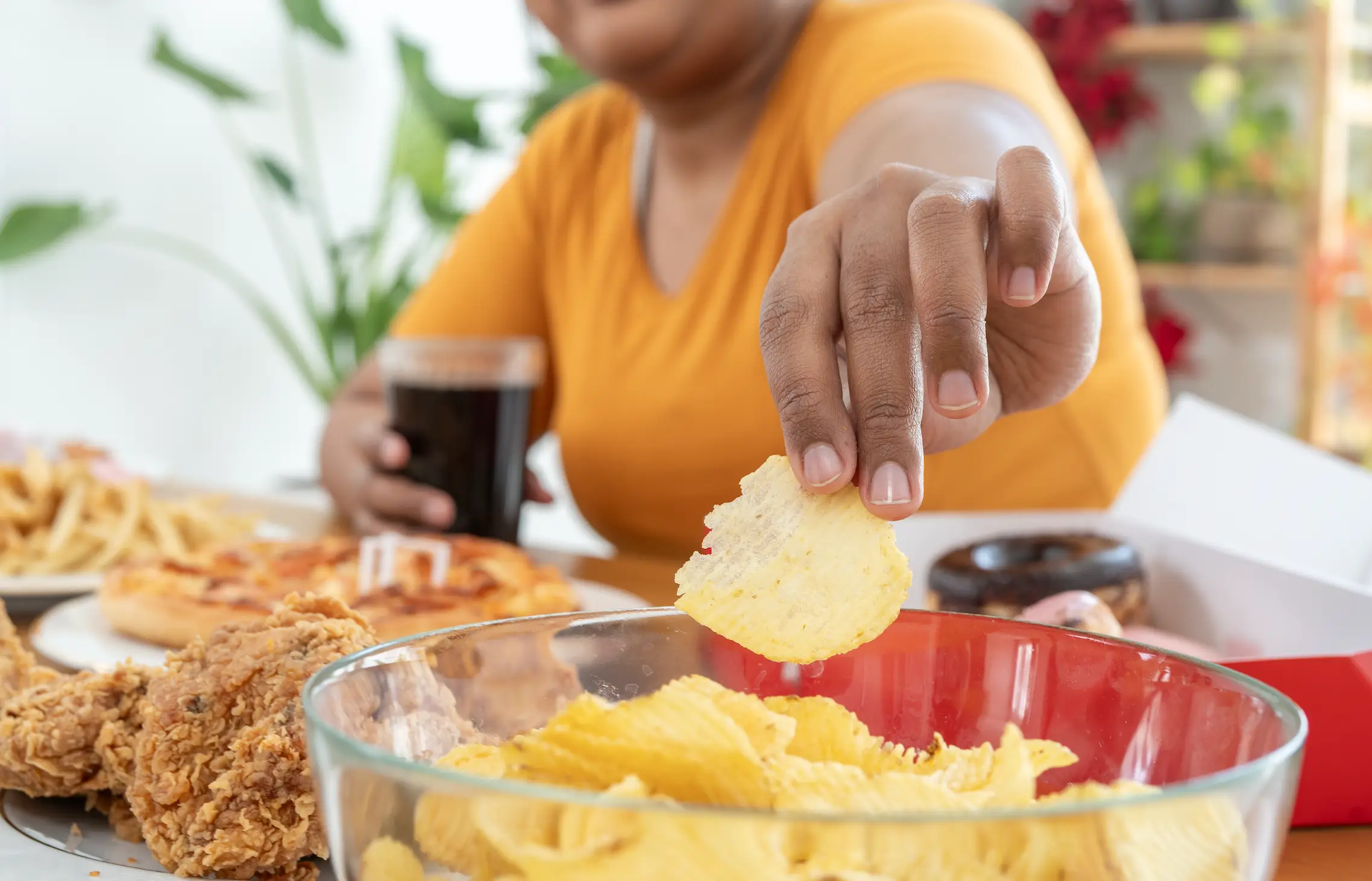
But there's been no evidence linking them to an increased cancer risk so far.
They're also regulated by Food Standards authorities, and there's no way they'd permit their use if they were deemed dangerous to consumers.
The bigger the boob, the bigger the risk of being diagnosed with breast cancer, right?
Absolutely not - despite one in five women wrongly believing so, as per the National Breast Cancer Foundation (NBCF).
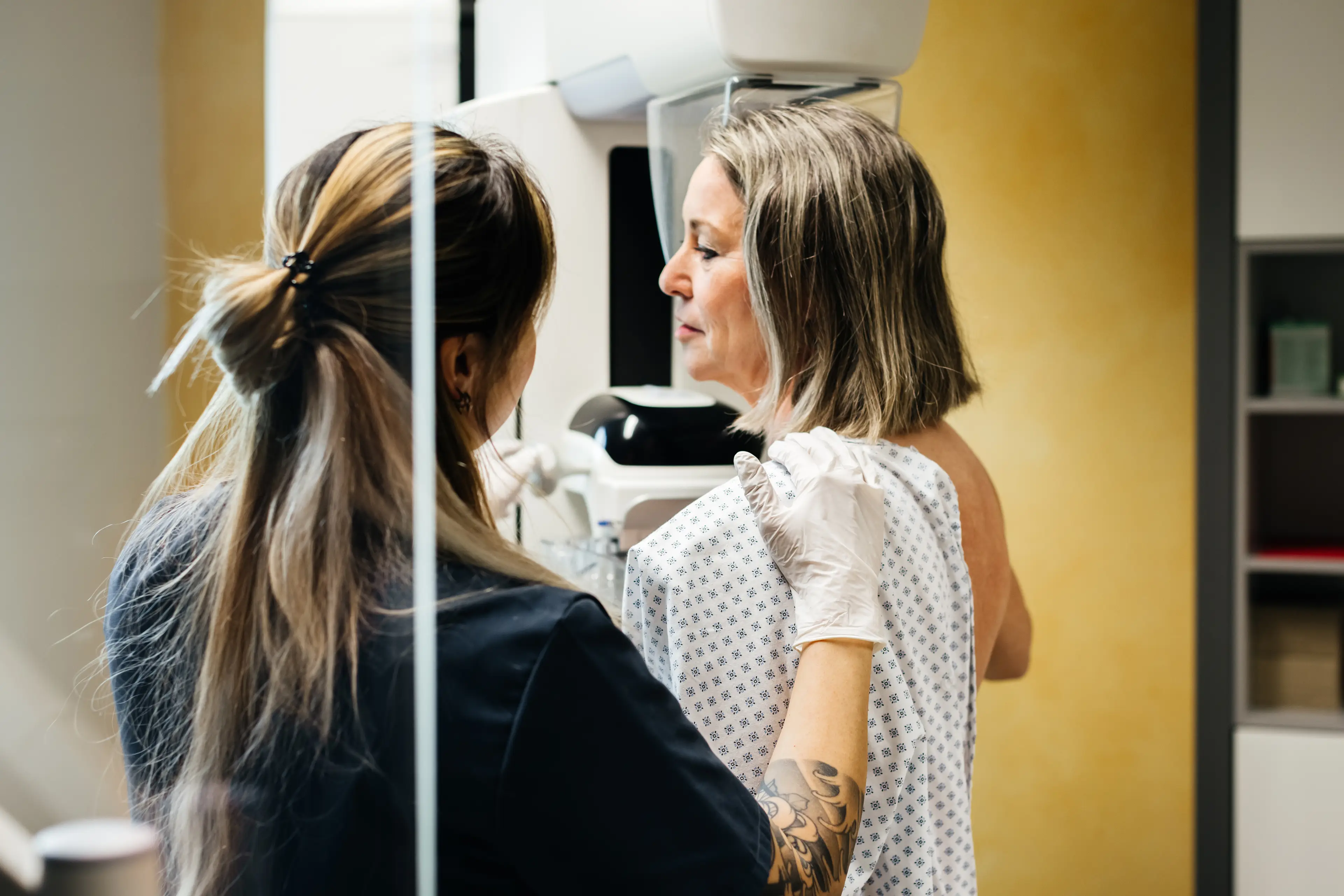
There's actually no connection between breast size and cancer risk. It's worth noting, however, that this misconception may stem from the reality that it can prove slightly more challenging for doctors to examine larger chest sizes.
What affects a person's risk of being diagnosed with breast cancer is obesity and the density of their breast tissue, as well as family history and lifestyle factors.
Another popular misconception is that the frequent use of mobile phones has been linked to an increased risk of being diagnosed with cancer, specifically brain tumours.
Despite this, research so far has failed to indicate a scientific link between the two. In fact, oncologists don't believe there's any real risk difference between phone addicts and those who don't have a mobile phone at all.