
Featured Image Credit: Getty Stock Image

Topics: Health, Mental Health, Life, Real Life
 Madison Burgess
Topics: Health, Mental Health, Life, Real Life
Research shows there are more than 944,000 people in the UK living with dementia.
Doctors typically use the word ‘dementia’ to describe common symptoms, such as memory loss, confusion, and problems with speech and understanding, that get worse over time.
For example, Alzheimer's disease is the most common cause of dementia for Brits, while lesser-known types include frontotemporal dementia (FTD), vascular dementia, and Lewy body dementia.
When you think of this illness, the first red flag that most people think about is memory loss; however, dementia can be a lot more than that, and the symptoms can manifest themselves in different ways.
Advert
Some of which can be more subtle and develop gradually, affecting not only memory but the ways you speak, think, feel, and behave.
Not to mention that dementia has more than 100 subtypes, meaning the signs are not always the same.
These are the three little-known warning signs you need to be aware of, as reported by MailOnline.

The first early red flag to watch out for is if someone is making risky and impulsive choices that they wouldn't normally.
This is because dementia damages the frontal lobe and orbitofrontal cortex of the brain, which are the areas responsible for judgment, inhibition, planning, and evaluating risks.
Often, this can manifest as bad money management, impulse shopping, and maxing out credit cards. They might also pay less attention to grooming or keeping themselves clean.
The publication reports that a 2020 study by Johns Hopkins University found that people with Alzheimer's disease and other forms of dementia worsened their credit scores up to six years before getting their diagnoses.
Secondly, although it may seem unrelated, vision issues can be another early warning sign of dementia.
The Alzheimer's Society outlines that people with dementia can have visual difficulties because the dementia affects the parts of their brain that handle visual information coming from the eyes.
This means they will have visual problems, but have healthy eyes.
As per MailOnline, for those with dementia, the brain can also gradually lose its ability to judge depth perception and long distances.
And in Lewy body dementia specifically, damage done to the visual cortex can result in the brain creating images that are not there, resulting in hallucinations.
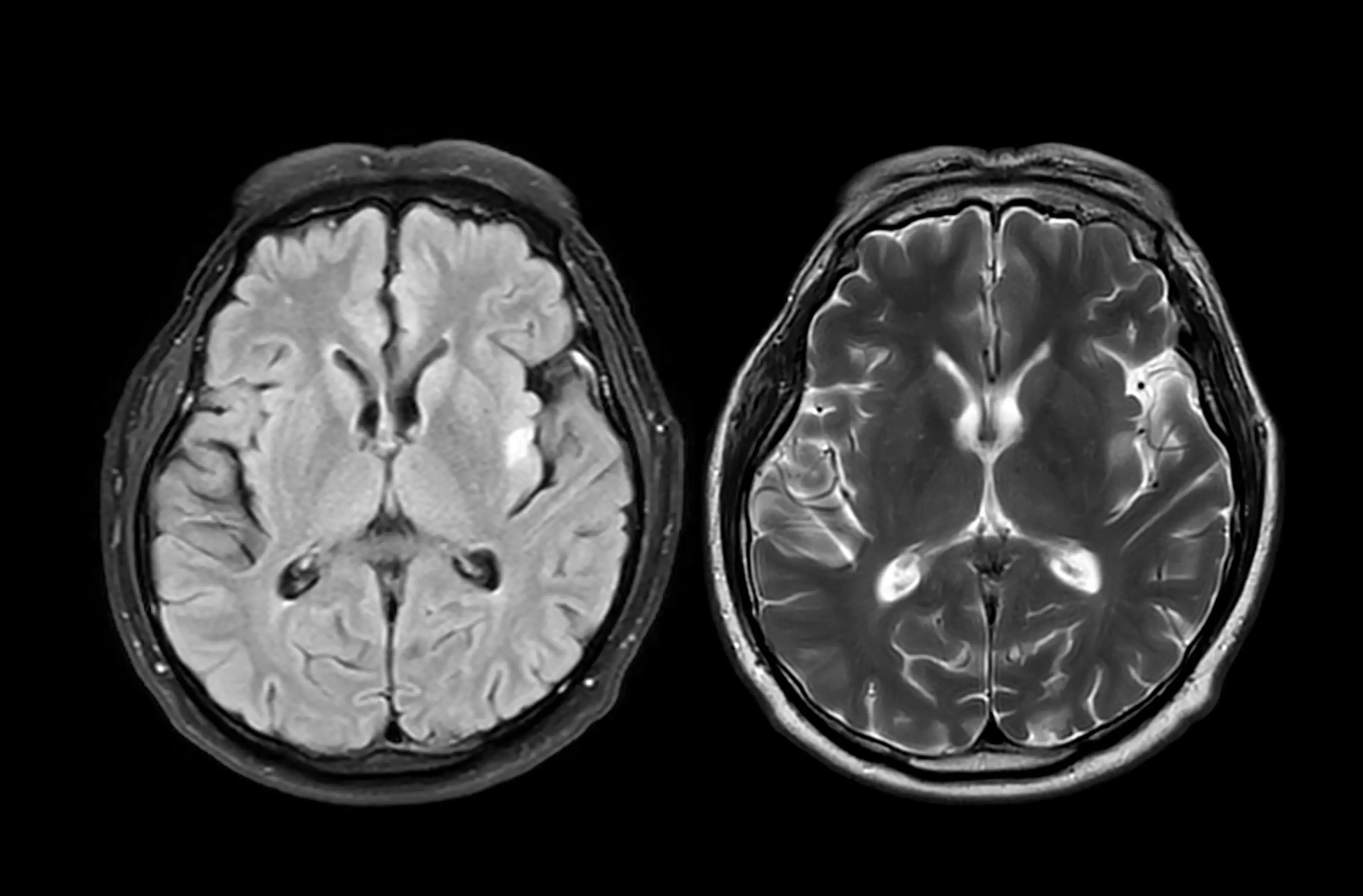
Finally, if you notice someone becoming increasingly socially withdrawn, this could also be a dementia warning sign.
For example, sometimes a person with dementia will stop taking part in activities or conversation as much as they used to.
This happens when they're aware that they're finding certain things more difficult to do, such as losing the thread of conversations or having trouble expressing themselves.
Dementia causes atrophy of the brain's Broca's and Wernicke's areas, affecting how speech is articulated, and language is understood, which can make communication harder.
Memory loss issues like forgetting names, faces, and memories, which are common for dementia patients, can cause embarrassment and force people to withdraw.
If you've been affected by dementia or Alzheimer's and would like to speak with someone in confidence, contact the Alzheimer’s Society via 0333 150 3456 or visit their website for more information.