
 Britt Jones
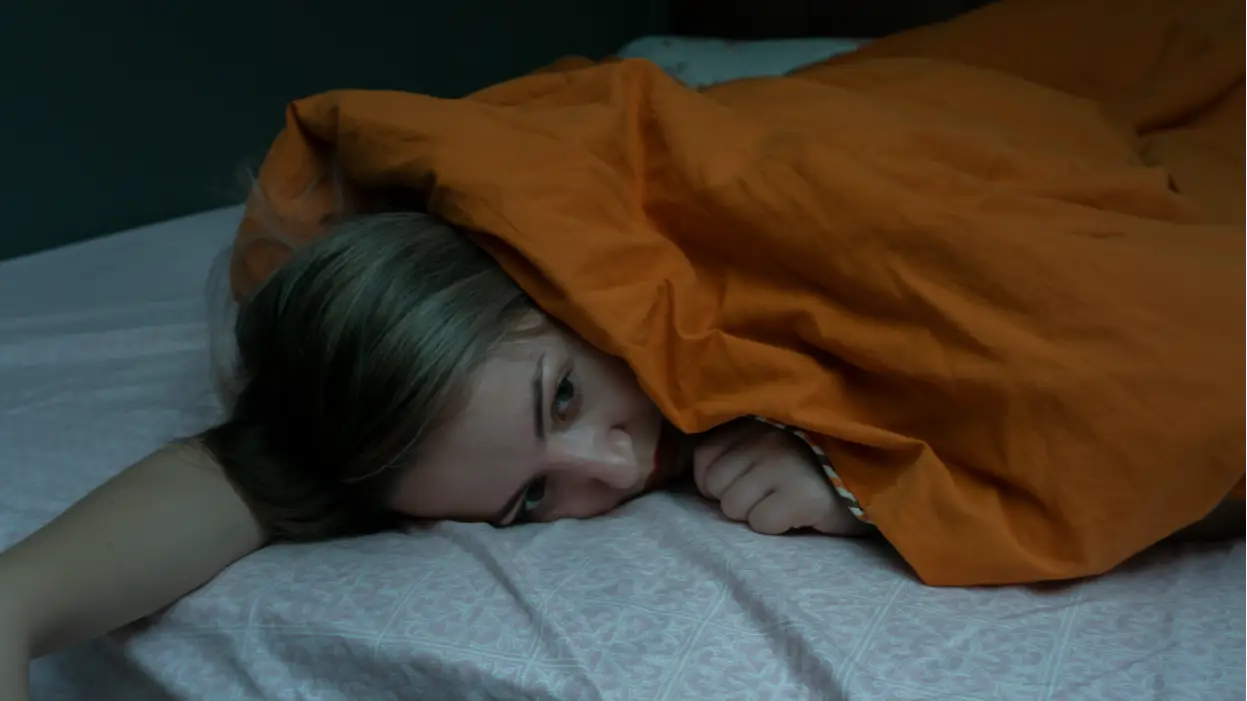
A sleep expert has explained why you have woken up in the early hours this morning and have been unable to get back to sleep.
Did you wake up last night? As it turns out, a lot of us did.
While you might think this is nothing more than a coincidence, it’s a lot more than that…it’s science.
According to sleep expert Martin Seeley, it’s all to do with the Moon.
Advert
OK, so you’ve probably seen the full Moon in the sky lately, and thought about how nice it looks, but I bet you didn’t think about how it would impact your sleep cycle.
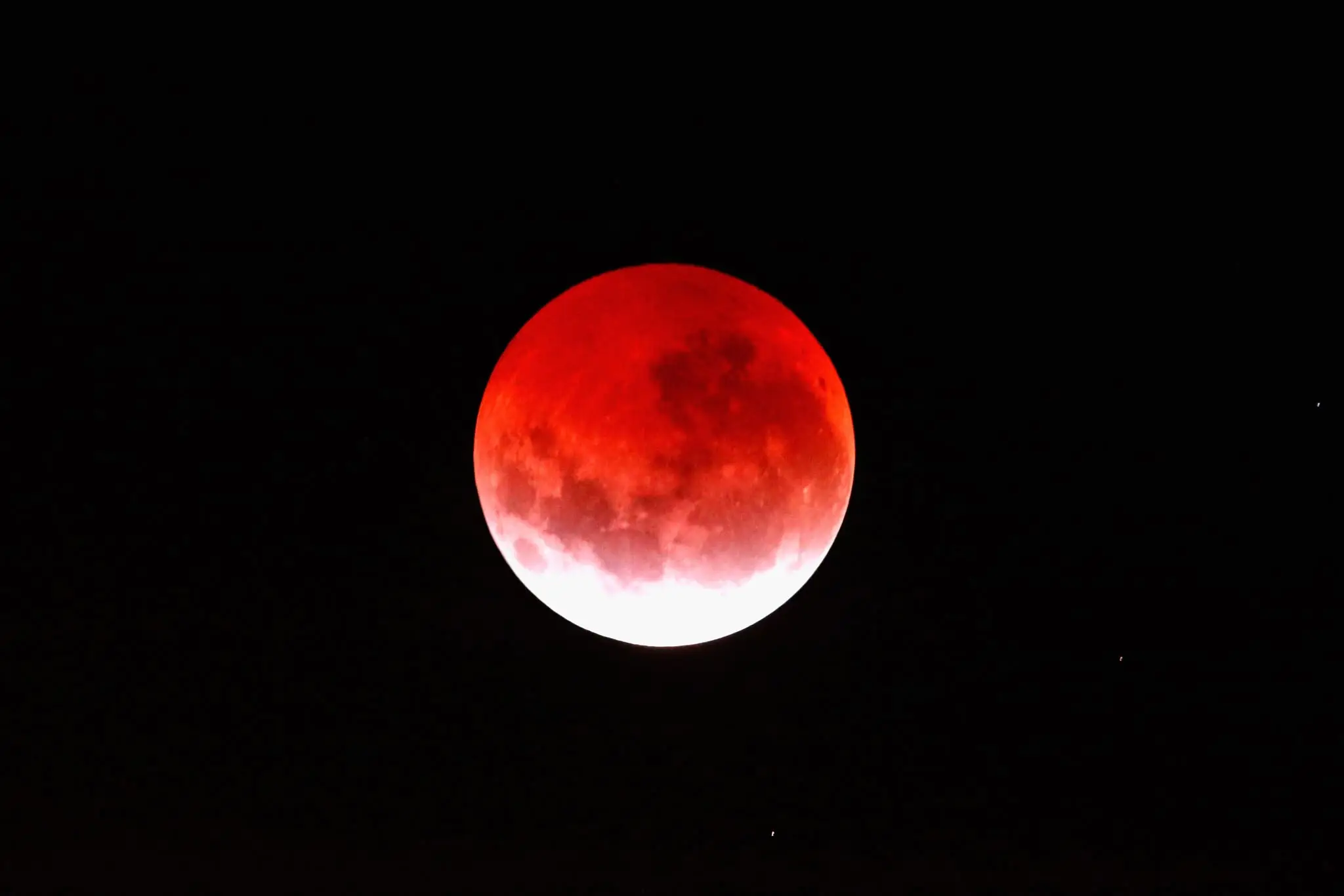
The reason this happens is because of the lunar eclipse blood Moon.
A lunar eclipse happens when the Sun's light is blocked by the Earth, which then shadows the Moon.
It generally occurs when the Earth is positioned between the Sun and Moon, and all three of them are aligned on the same orbital plane.
The lunar eclipse has long been affiliated with mood changes and sleep disturbances, and although the reason has been debated without a clear answer, it’s suggested the lunar cycle can impact sleep patterns, female hormonal balance and wellbeing.
The reason it’s called a blood Moon is because the shadow causes the Moon to glow red, and on Friday, 14 March (today) the Moon was visible from around 3.57am, peaking at 6.19am.
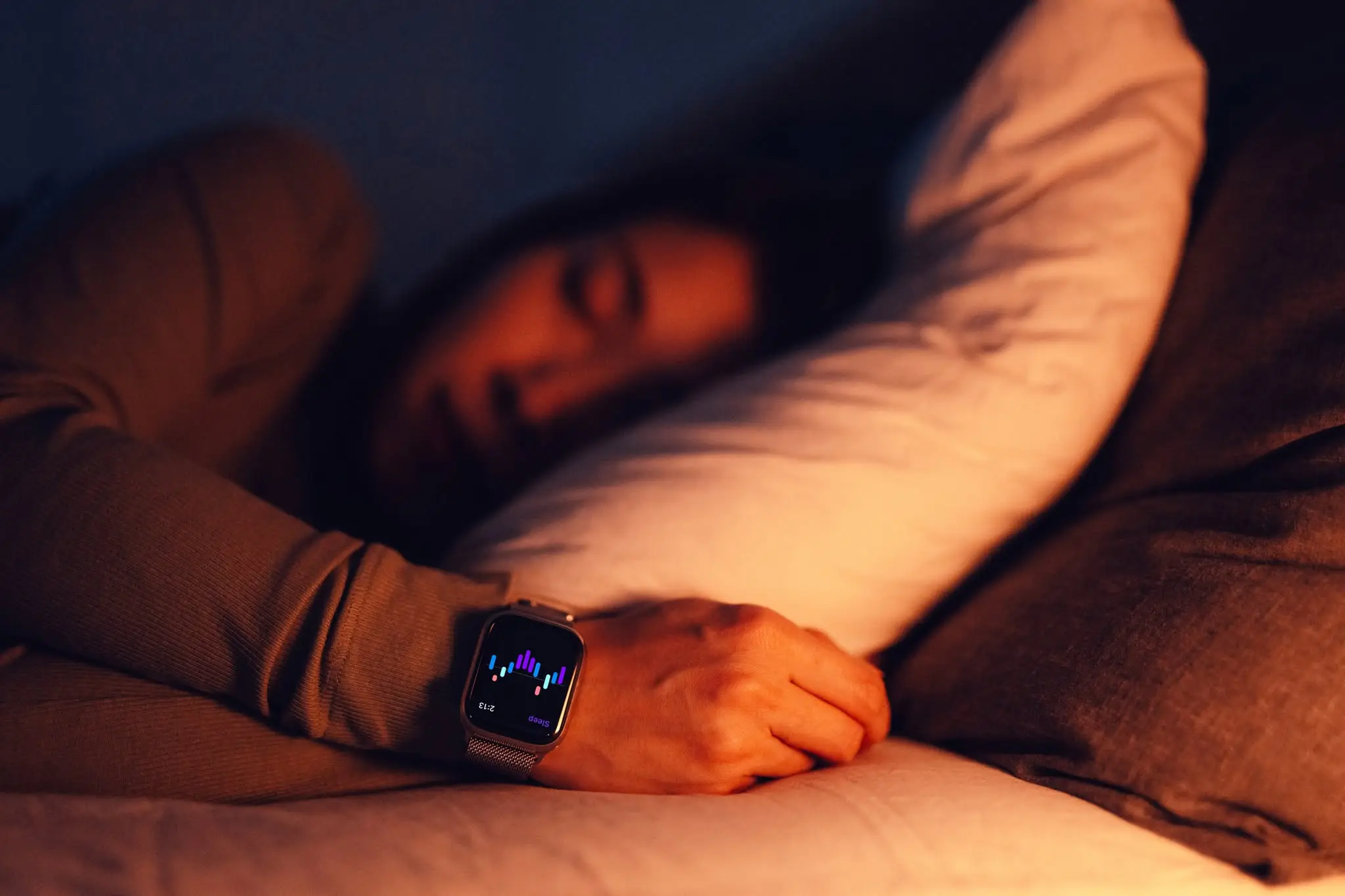
Martin Seeley at MattressNextDay, explained that melatonin, the ‘sleep hormone’, was disrupted.
This is because it’s released by the pineal gland in response to darkness.
So, the increased brightness of this morning’s lunar eclipse interrupted sleep by tricking the brain into thinking it's daytime.
This reduced the melatonin production, thus waking us all up!
Low melatonin levels means that we can’t get enough restorative deep sleep at night, which will then increase levels of the stress hormone, cortisol.
Low levels of progesterone can be exacerbated by the added brightness of the lunar eclipse, making it hard to both fall asleep and stay asleep.
Then there’s the feel good hormone, serotonin which is responsible for things like sleep, mood, appetite and emotional wellbeing, which can be disrupted by light exposure.
So, if this dips, you might notice emotional sensitivity, irritability, and sadness, according to Martin.
If you want to know how to prevent your naff sleep next time around, Martin shared that you should create an optimal sleep environment.
He explained to Wales Online that you need to ensure you have a wind-down routine.
This includes turning off screens at least an hour before bed and maybe adding blackout curtains or a sleep mask so that you’re not interrupted by light.
Stress-reducing activities like deep breathing exercises, yoga, or meditation can also help reduce cortisol levels, and keeping hydrated can regulate your body temperature and prevent dehydration to support brain function.
While some people enjoy the effects of the lunar eclipse, it’s not great for most of us.
So, doing these things might help you the next time the Moon changes.