A member of KLM's cabin crew has been hospitalised after coming into contact with a cruise ship passenger who later died of hantavirus.
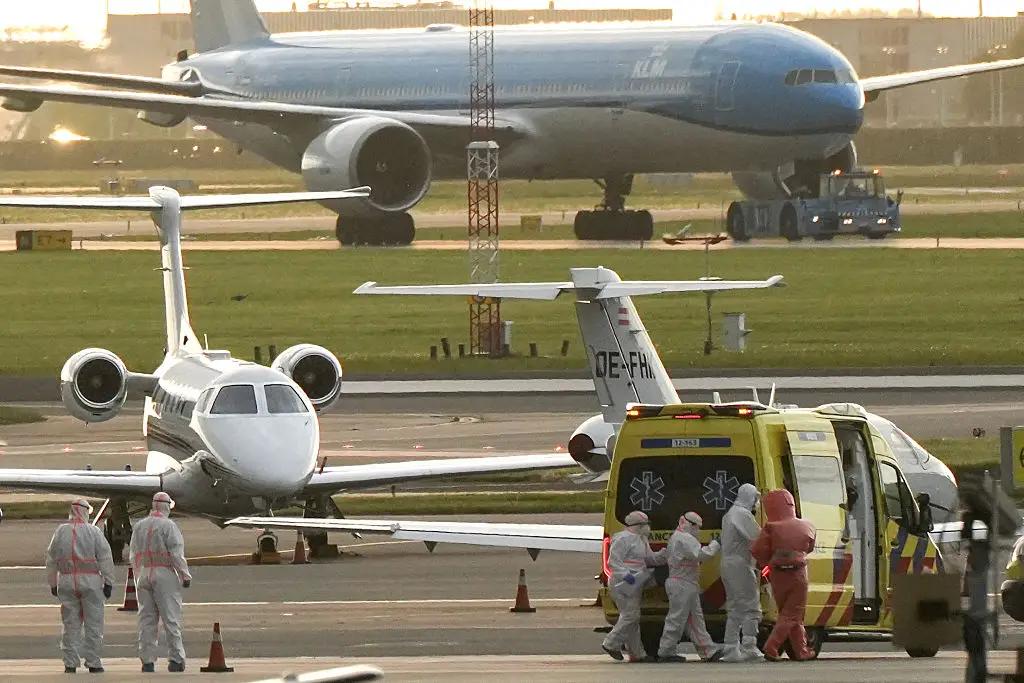
The attendant had been onboard a flight that a woman who'd previously travelled on the infected vessel, where an outbreak of the deadly disease occurred last week, had been forced to disembark.
The holidaymaker, 69, later died in a hospital in Johannesburg.
Health officials believe she was part of a Dutch couple that may have first contracted the virus during a bird-watching expedition in Ushuaia, the southernmost region of Argentina. The trip took the couple to a landfill site, where it’s believed they came into contact with rodent droppings.
The woman's husband died on 11 April after suffering from flu-like symptoms for five days.
Three people have died following an outbreak (AFP via Getty Images) A third passenger, a German national, died on 2 May.
Hantavirus is a rare disease traditionally spread through contact with the urine or faeces of rats and mice, either via the inhalation of contaminated airborne particles from dried droppings, or through rodent bites or scratches.
World Health Organisation (WHO) leaders have suggested that the 'Andes' variant linked to this week's cases had spread from human to human because of the close living quarters on the cruise ships.
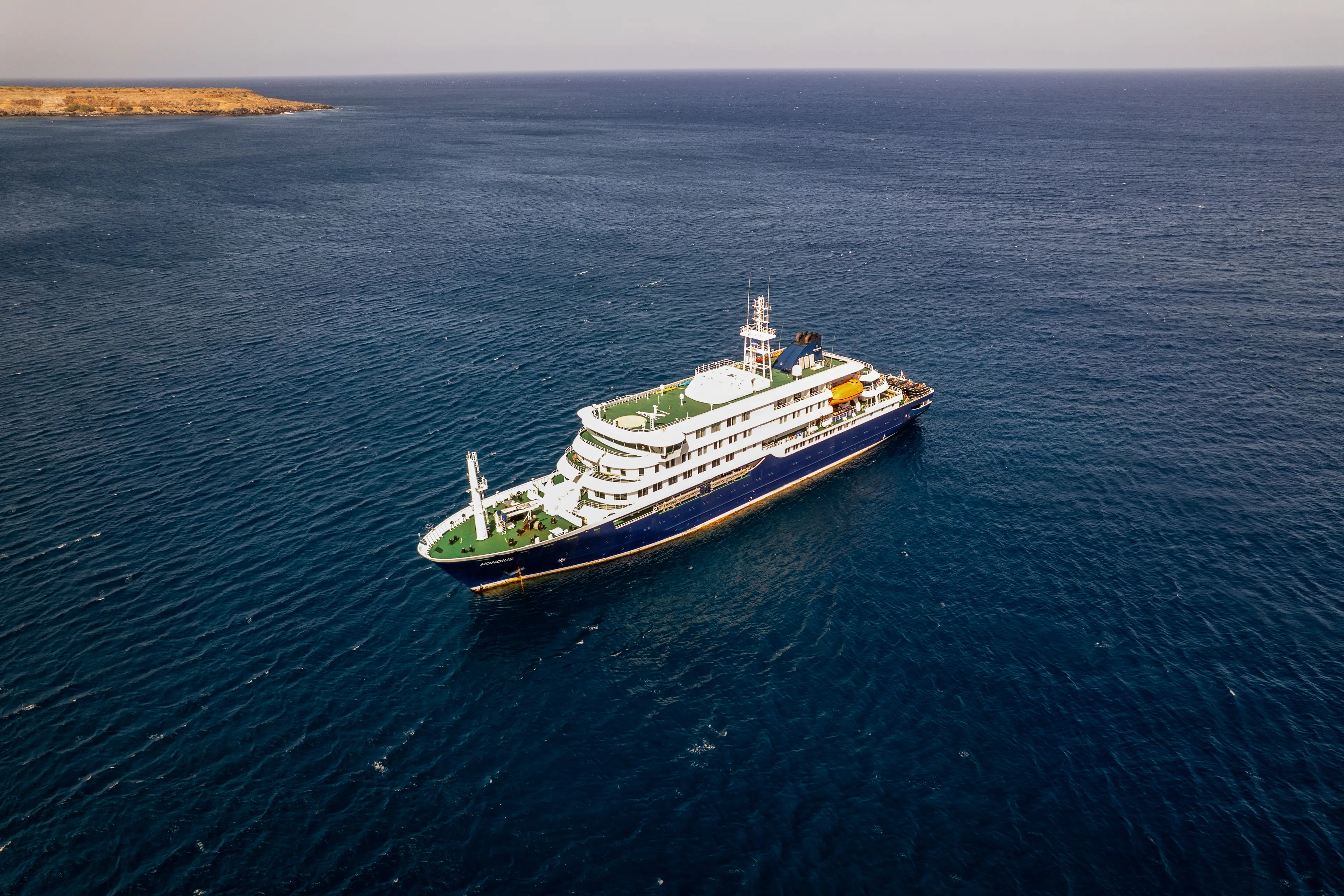
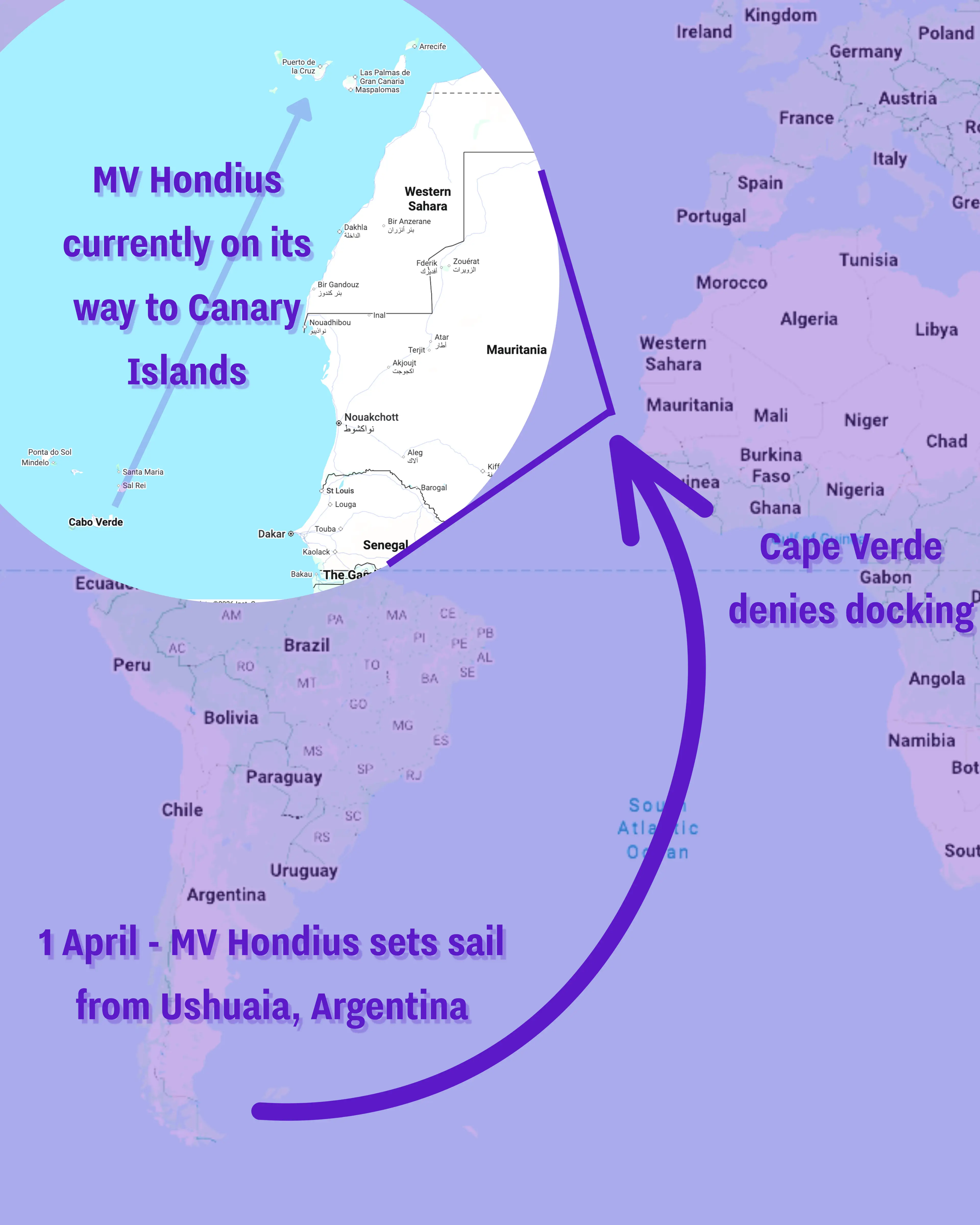
The vessel had travelled from Argentina to Cape Verde, where it became stranded until yesterday (6 May) while health officials assessed the situation. It has since docked in the Canary Islands.
The flight attendant who came into contact with the now-deceased passenger reportedly began showing mild symptoms in the days that followed the woman's removal from the aircraft.
Hantavirus is traditionally spread from animals to humans (Joao Luiz Bulcao / Hans Lucas / AFP via Getty Images) She is now receiving treatment at a hospital in Amsterdam.
The Dutch health service, GGD, is also working on tracing all passengers who were onboard the flight, urging them to seek assistance if they begin showing symptoms of hantavirus.
Three passengers - a Brit, a German and a Dutchman - suspected of having contracted the virus were medically evacuated from the vessel yesterday, after which they were also flown to the Netherlands to receive specialist medical care.
Two British passengers have also since returned home to the UK, where they're expected to self-isolate for 45 days, despite failing to report any symptoms linked to hantavirus, the UK Health Security Agency (UKHSA) has said.
It is believed the disease was picked up during a birdwatching expedition to a landfill site (Joao Luiz Bulcao / Hans Lucas / AFP via Getty Images) The symptoms of hantavirus
Hantavirus can cause two life-threatening syndromes, according to the WHO: hantavirus pulmonary syndrome (HPS) and hemorrhagic fever with renal syndrome (HFRS).
The early symptoms of HPS, which attack the lungs, start one to eight weeks after infection, and include:
- Fatigue
- Fever
- Muscles aches
- Headaches
- Dizziness
- Chills
- Nausea and vomiting
- Diarrhoea
Later symptoms include:
- Coughing
- Shortness of breath
- Tightness in the chest
Early symptoms of HFRS, which affects the kidneys, start one to two weeks after infection, and include:
- Intense headaches
- Back pain
- Abdominal pain
- Fever/chills
- Nausea
- Blurred vision
Later symptoms include:
- Low blood pressure
- Internal bleeding
- Acute kidney failure
There are now several cases of Hantavirus (Lina Selg / AFP via Getty Images) A timeline of the hantavirus outbreak on the MV Hondius
- 1 April - The MV Hondius cruise ship departs Ushuaia, Argentina, going on to visit Antarctica, South Georgia, Nightingale Island, Tristan da Cunha, Saint Helena, and Ascension Island. Around 150 people are on board, of 23 different nationalities.
- 6 April - A 69-year-old Dutch man complains of a fever, headache, and mild diarrhoea while onboard.
- 11 April - The man’s condition deteriorates. He dies following respiratory distress.
- 12 April - The captain of the MV Hondius breaks the news of the man’s death to passengers. According to one of the passengers, the captain says the man died of natural causes and there is no contagion. Life continues as normal on board the ship.
- 24 April - The man’s wife, also 69 and from the Netherlands, goes ashore in St Helena, a remote island in the South Atlantic, experiencing gastrointestinal symptoms. On the same day, a British man presents to the ship’s doctor with shortness of breath and signs of pneumonia.
- 25 April - The Dutch woman boards an Airlink flight to Johannesburg, South Africa. Contact tracing efforts follow in the coming days to track down the 82 passengers and six crew members onboard the flight.
- 26 April - The 69-year-old Dutch woman dies after arriving at the emergency department in Johannesburg, South Africa. Meanwhile, the British man’s condition deteriorates.
- 27 April - The British man is medically evacuated from Ascension Island to South Africa. He remains in intensive care in Johannesburg. The MV Hondius initiates its SHIELD response health and safety plan.
- 28 April - A German passenger develops a fever.
- 2 May - The German passenger dies following pneumonia symptoms. Laboratory testing confirms the British man has hantavirus. The World Health Organisation is notified by the UK.
- 4 May - The Dutch woman is also confirmed to have had hantavirus. The ship’s operator, Oceanwide Expeditions, confirms that there are two crew members, one British and one Dutch, with acute respiratory symptoms who require urgent medical attention.
- 6 May - Swiss authorities confirm a case of hantavirus from a passenger of the MV Hondius who heard of the outbreak and presented himself at a hospital in Zurich. The two crew members, along with a close contact of the German passenger who died on 2 May, are medically evacuated from MV Hondius. Of these three passengers, two are now in stable condition in hospital, and one is asymptomatic in Germany. The MV Hondius heads North for the Canary Islands. Oceanwide Expeditions says no symptomatic individuals remain on the ship
- 8 May - The UK confirms a third British national has suspected hantavirus on the remote island of Tristan da Cunha.
- 10 May - The MV Hondius is scheduled to arrive at the port of Granadilla in Tenerife

 Rhianna Benson