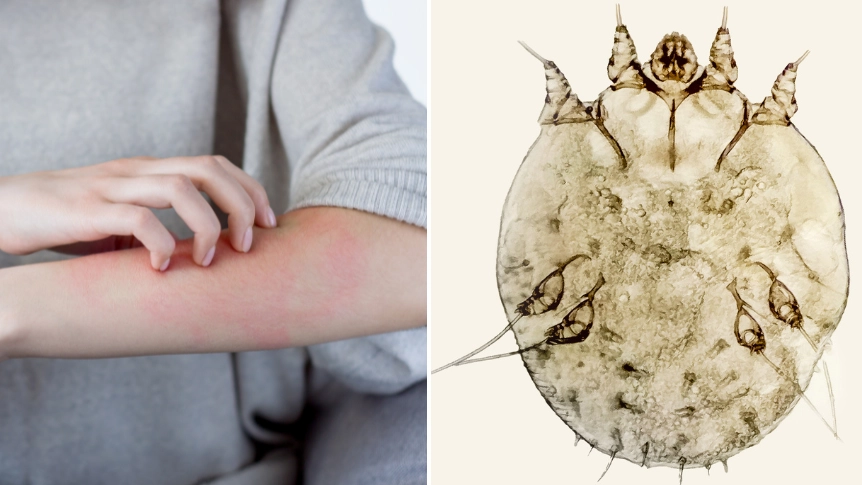
Symptoms of highly contagious ‘nightmare’ Victorian disease that's sweeping the UK

Doctors across the UK are warning of an increase in cases of a highly contagious a skin condition caused by mites.
The highly contagious disease causes an itchy rash and is spread through direct contact with infected skin.
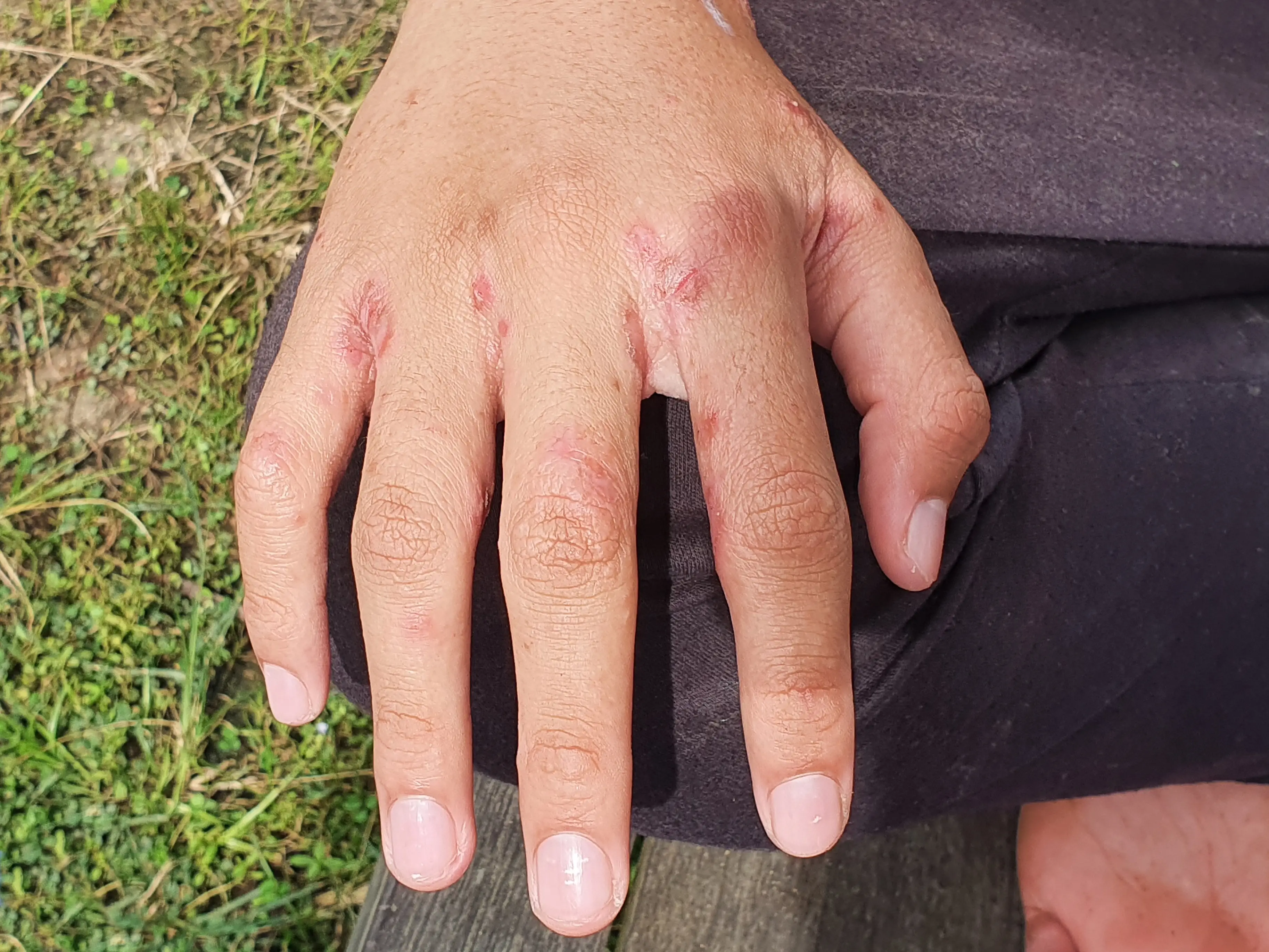
While doctors are concerned over a surge in cases of scabies recently, a shortage of the medication used to treat the disease - permethrin and malathion - is also causing worry within the medical community.
Advert
Although scabies itself is not particularly dangerous, it should be treated quickly. However, the supply issues are leading to a delay in treatment, which is essential in preventing the disease from spreading.
According to the Guardian, the issue could be the beginning of an emerging public health crisis, with the north of England especially seeing an unusually high number of cases.
It's also thought that there could be more cases than what is currently recorded, due to difficulty in tracking the spread.

Speaking to the Guardian, Professor Mabs Chowdhury, the president of the British Association of Dermatologists, explained the situation 'urgently needs attention'.
"The shortage of scabies treatments is something that urgently needs more attention," he explained.
"The public health calculation is not particularly complex – scabies spreads easily and if people aren’t treated, then it will continue to spread.
"Unfortunately, the consequences of treatment shortages are proving easy to ignore. There is very limited tracking of scabies cases and people are often embarrassed to talk about it."
Professor Chowdhury also expressed concern over the potential spread within communal living, such as care homes and uni halls.
“A major concern is scabies spreading in care homes, university halls of residence, and other communal living facilities," he continued.
"This makes treatment much more difficult. If even one person isn’t treated completely, everyone can be reinfected. Given the challenges in social care and the treatment shortages, public health bodies need to plan for outbreaks in care facilities.”
According to the NHS, scabies has two main symptoms - a raised rash, which can appear as spots, and intense itching, especially in the night.
A scabies rash can often look like other skin conditions, so it's important to seek medical advice if you think you could have it.
It usually spreads across the body, apart from the head and neck, and commonly affects skin between the fingers, around the wrists, under the arms, and around the waist and groin.
If you are diagnosed with scabies, everyone in your home needs to be treated, even if they are not presenting with symptoms.
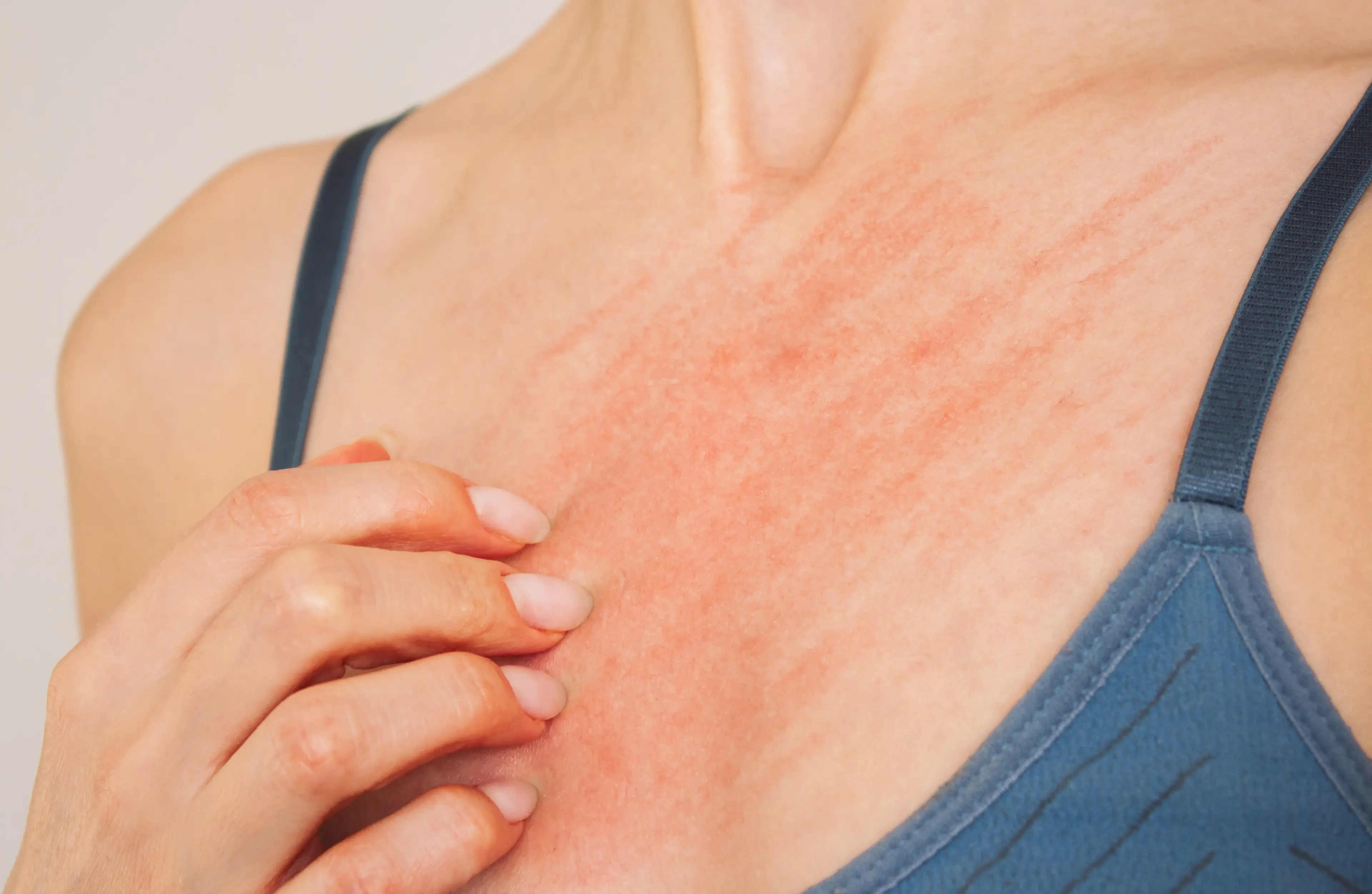
Medics are also urging people not to be embarrassed over the disease, with
Dr Tess McPherson, the president of the British Society for Paediatric and Adolescent Dermatology, emphasising that it has nothing to do with personal hygiene.
“We must reduce any stigma associated with having scabies so that people do seek treatments when needed," she said.
Topics: Health
 Lucy Devine