tyla homepage
  • News
  • Life
  • TV & Film
  • Beauty
  • Style
  • Home
  • News
    • Celebrity
    • Entertainment
    • Politics
    • Royal Family
  • Life
    • Animals
    • Food & Drink
    • Women's Health
    • Mental Health
    • Sex & Relationships
    • Travel
    • Real Life
  • TV & Film
    • True Crime
    • Documentaries
    • Netflix
    • BBC
    • ITV
    • Tyla Recommends
  • Beauty
    • Hair
    • Make-up
    • Skincare
  • Style
    • Home
    • Fashion
    • Shopping
  • Advertise
  • Terms
  • Privacy & Cookies
  • LADbible Group
  • LADbible
  • UNILAD
  • SPORTbible
  • GAMINGbible
  • UNILAD Tech
  • FOODbible
  • License Our Content
  • About Us & Contact
  • Jobs
  • Latest
  • Archive
  • Topics A-Z
  • Authors
Facebook
Instagram
X
Threads
TikTok
Submit Your Content
Severe Covid-19 could increase risks of one type of cancer

Home> News

Published 17:35 20 Mar 2026 GMT

Severe Covid-19 could increase risks of one type of cancer

As time goes on, the long-term impact of Covid-19 is starting to show

Jen Thomas

Jen Thomas

google discoverFollow us on Google Discover

New research has found that suffering from a severe case of Covid-19 or flu could increase your risk of developing cancer later in life.

Scientists examined laboratory mice and discovered that those who had severe lung infections were more likely to develop a life-threatening illness later due to changes in the body.

They then compared the results to data source from humans, and noticed a similar pattern, whether it was from Covid-19, flu or pneumonia.

The research was carried out by The University of Virginia's Carter Center, and they found the highest risk was in those who had been hospitalised with any of the conditions.

Advert

In positive news, vaccination before an infection was found to prevent the dangerous lung inflammation.

The data from both the mice and the human subjects revealed that the serious Covid-19, flu or pneumonia infections were causing long term damage to the lungs.

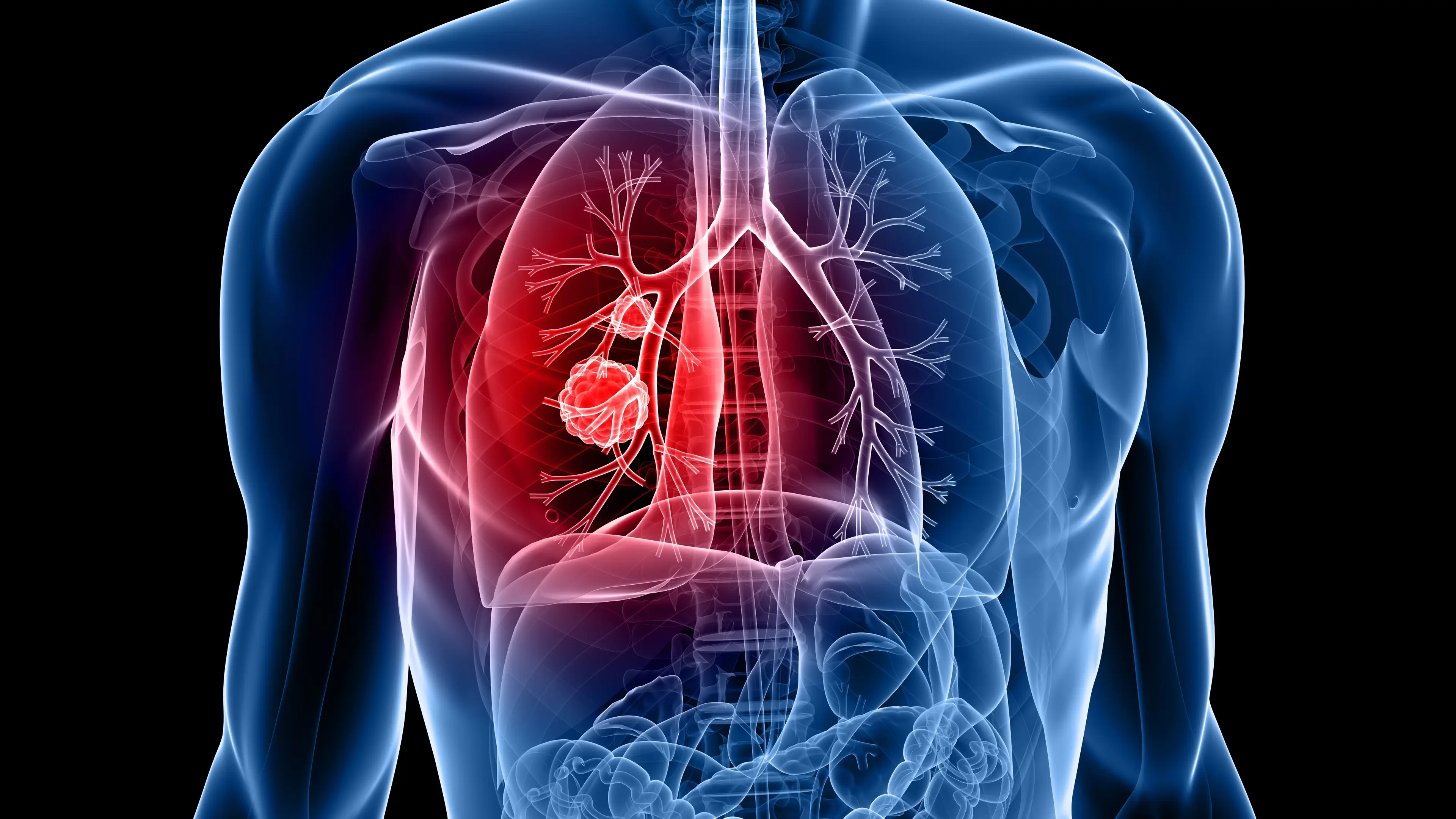
Severe Covid-19 infections could result in lung cancer in later life (Getty Stock)

The changes occurred in immune cells called neutrophils and macrophages, which are the cells that normally help to defend the lungs from infection.

Researchers noted that some of the neutrophils began 'behaving abnormally' and created and worsened the inflammation, creating what they called a 'pro-tumour' environment.

UVA School of Medicine scientist Jie Sun said: "A bad case of COVID or flu can leave the lungs in a long-lasting 'inflamed' state that makes it easier for cancer to take hold later."

This chronic inflammation saw tumours developing months, sometimes even years later.

"The encouraging news is that vaccination largely prevents those harmful changes for cancer growth in the lung," he added.

The researchers found a 1.24-fold increase in lung cancer cases in among patients who had been admitted to hospital with COVID-19.

This risk was regardless of whether they had smoked, or suffered from any other at-risk conditions.
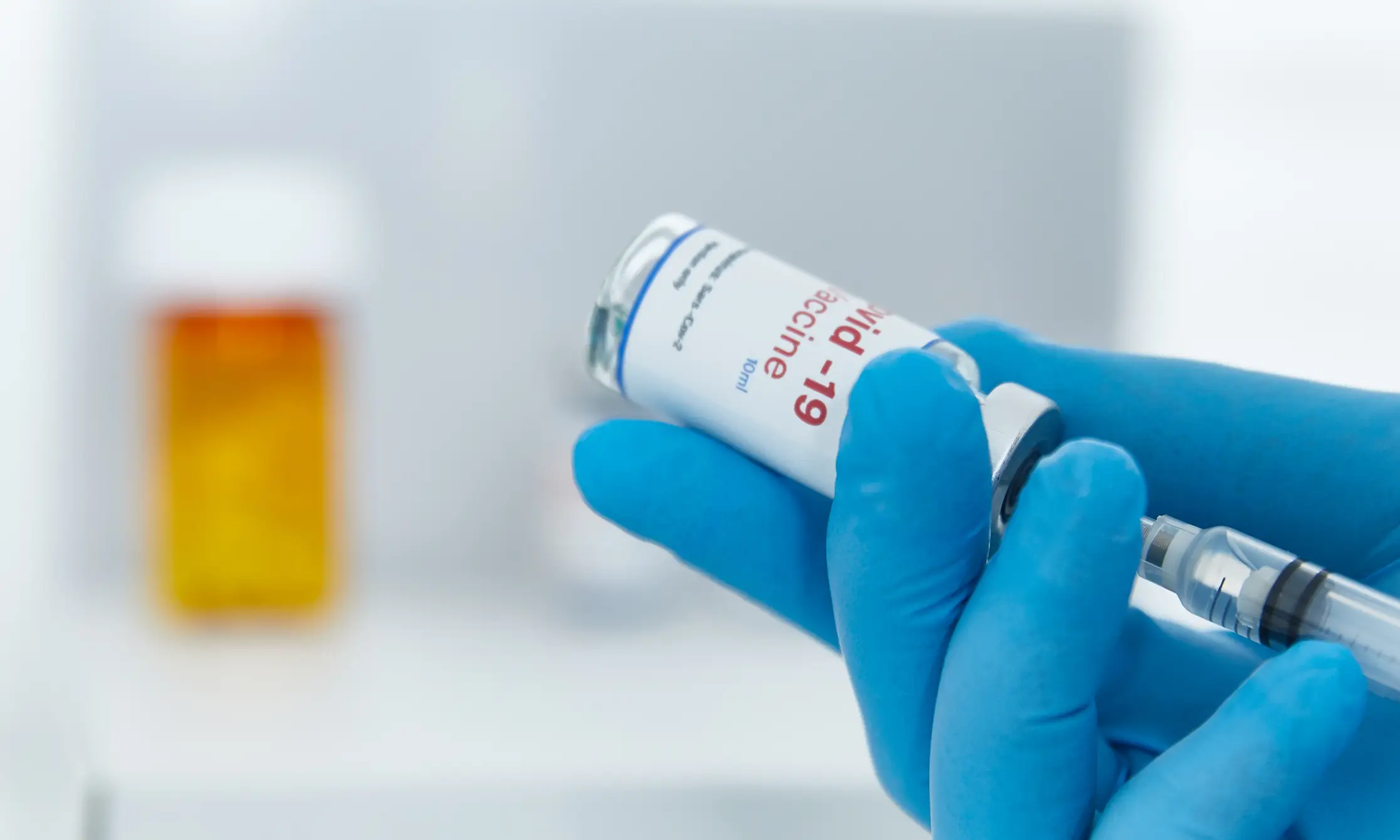
Researchers found that vaccines could prevent the damage (Getty Stock)

Following the findings, the researchers are recommending that people who had severe cases should be monitored closely and routinely screened.

The experts wrote: "Individuals recovering from severe viral pneumonia, particularly those with smoking history, may benefit from enhanced lung cancer surveillance, and preventing severe infection."

Individuals who had been vaccinated and only had a mild infection did not show this elevated risk.

In fact, the researchers found they actually had a slight decrease in lung cancer developments.

Sun stressed: "We believe that vaccines don't just prevent acute hospitalisation after contracting the virus. They may also reduce the long-term fallout of severe infection, including the kind of immune scarring that can increase cancer risk."

If you’ve been affected by any of these issues and want to speak to someone in confidence, contact Macmillan’s Cancer Support Line on 0808 808 00 00, 8am–8pm seven days a week.

Featured Image Credit: Getty Stock Images

Topics: Covid-19, Health, NHS, Cancer

Jen Thomas
Jen Thomas

Jen Thomas is a freelance journalist and radio presenter for Magic Radio and Planet Rock, specialising in music and entertainment writing.

X

@jenthomasradio

Advert

Advert

Advert

Choose your content:

a day ago
  • Getty Stock Photo
    a day ago

    Extreme 'bone smashing' trend explained as disturbing 'looksmaxxer' method grows among teens

    The trend is causing concern within the medical community

    News
  • Getty Stock Image
    a day ago

    Surprising theory behind why boys are more likely to diagnosed with autism than girls

    Experts from the Whitehead Institute for Biomedical Research have laid out their claims in a new paper

    News
  • Getty Stock Images
    a day ago

    Montana governor Greg Gianforte passes new sex definition bill - here is how it could affect you

    Greg Gianforte signed Senate Bill 437 this week, which was previously dismissed on the grounds that it was unconstitutional

    News
  • Joe Raedle/Getty Images
    a day ago

    Heartwarming story behind Artemis II plushie as astronaut Victor Glover caught playing with toy

    'Rise' is a softball-sized plushie mascot that's journeying to the moon with the Artemis II crew, serving an important purpose

    News
  • ‘Cicada’ Covid victim reveals bizarre symptom they noticed after getting it
  • Symptoms of highly mutated ‘Cicada’ Covid strain as cases surge
  • New Covid strain 'Cicada' identified and it’s raising vaccine concerns
  • Nicole Kidman reveals one COVID-19 side effect she was 'relieved' to get