‘Ferritin hair’ explained as woman shares her experience of little-known iron deficiency symptom

By now, we’ve all heard of ‘ferritin face’ - but did you know there’s another part of your body that can be just as affected by low iron?
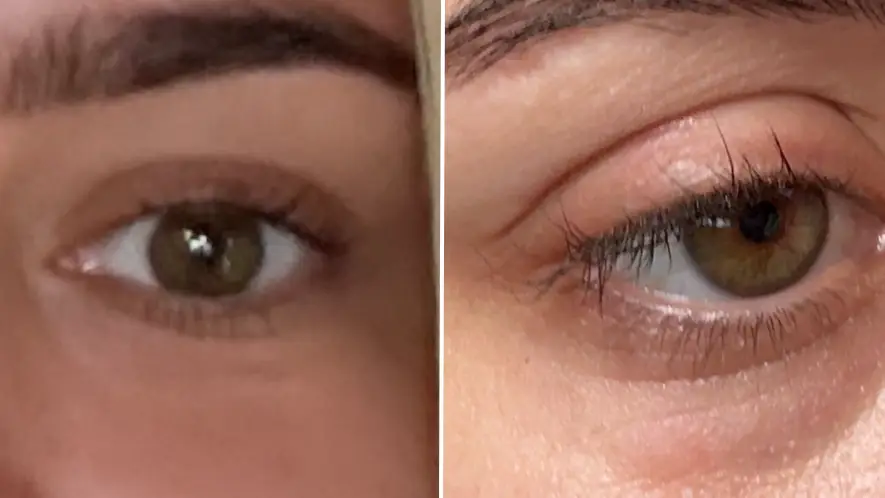
More and more women are coming forward about their experiences with ‘ferritin hair’. Shedding, thinning, and a dry and dull appearance can all be red flags that you have low ferritin, which is the protein that stores iron in the body.
While neither ‘ferritin face’ nor ‘ferritin hair’ are recognised medical terms, they’ve popped up online since awareness has surged and more women are recognising their symptoms.
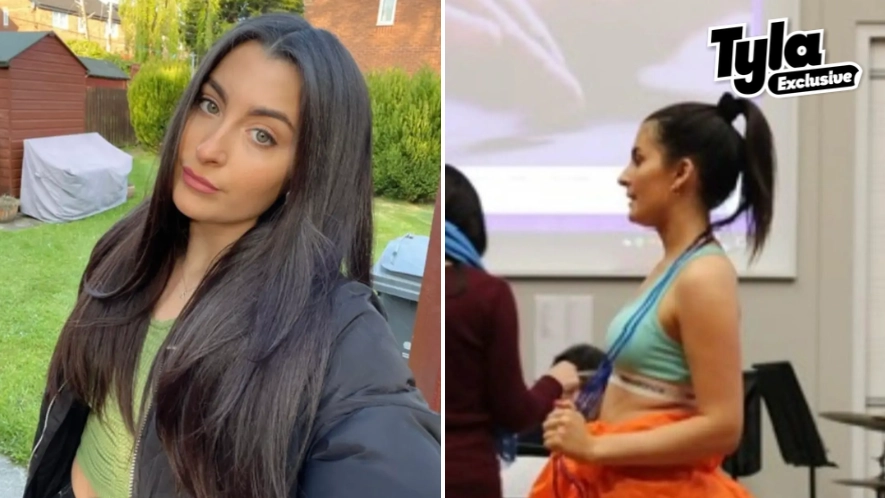
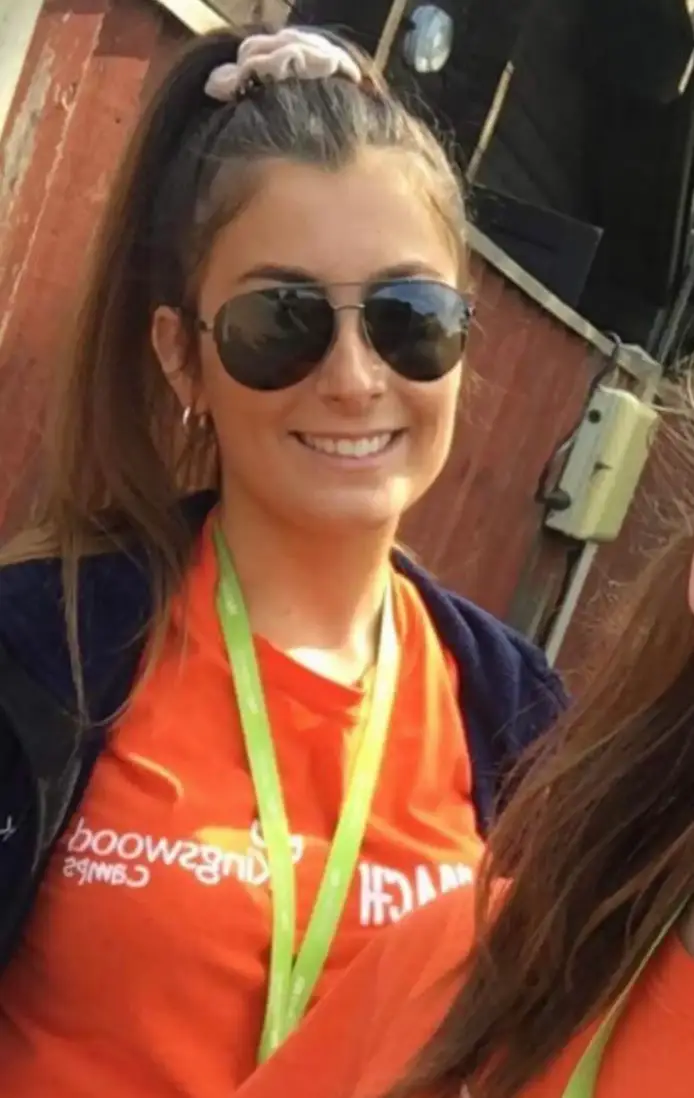
But before it became as well known, in 2018, during her first year at Newcastle University, student Sophia Simoes, 28, had no idea why her hair was growing back alarmingly thinner than it ever had before, after she had it cut to shoulder length.
Advert
Due to a busy year adjusting to student life, partying, late nights, and not getting loads of sleep, her lifestyle ‘masked’ the deficiency for a long time before she realised what was really going on, simply putting it down to the usual uni experience of hangovers and tiredness.

"I just felt really self-conscious about my hair"
She told Tyla: “The moment I really noticed was when I went to the hairdressers to dye my hair, and she said, ‘Sophia, have you thinned out your hair? Because normally I would use two full bottles of the dye mixture, and I’ve only had to use half of one.’
“That was when I started to look back at pictures and think, hang on a minute, my hair has not grown back as long and as thick as I expected it to after I last cut it.”
After the appointment, she ‘felt like it was getting worse’ and couldn’t stop looking back at old photos, which was ‘getting her down’.
Sophia said: “Uni is a time when you’re out and about a lot, you're meeting new people, joining new clubs. It's a time when you're really social, and I just felt really self-conscious about my hair.”
She admitted: “You don’t realise how much things like your hair are really part of your confidence and personality, so it definitely knocked my confidence, and I knew it was gonna take a really long time to get back to normal, so that made me quite anxious.”
"It was the worst case of anaemia the GP surgery had ever seen"
The partnership's executive told her mum about her concerns, who, thankfully, is a GP, and so urged her to get her blood tests done - and the results were shocking.
"It was the worst case of anaemia that my mum’s GP surgery had ever seen," she recalled, adding: "My count was 3.4, but it’s normally recommended to be between 9-30, so I was severely below where I should have been."
Sophia had also experienced other hallmarks of iron deficiency, but didn’t attribute them to anything other than the normal student experience: “tiredness, feeling lethargic, lightheadedness after being sat down in lectures, as soon as I sat up my head would be swimming,” she explained.
All of this ‘clicked’ and ‘made sense’ when she got the anaemia diagnosis, and from there she was instructed to take iron tablets three times a day, every day, which continued for two years.
Doctors also advised her to add more iron-rich foods into her diet, such as red meat, kale, and spinach.

Sophia admitted: “I didn’t actually know about low ferritin at all. Iron deficiency was never something I’d come across, so I had no knowledge of it, and no idea that I could have a low iron count in my body."
After roughly three or four years, Sophia was back on track with her hair, but it's still something she has to monitor - getting a blood test once a year, and more if she ever feels a dip.
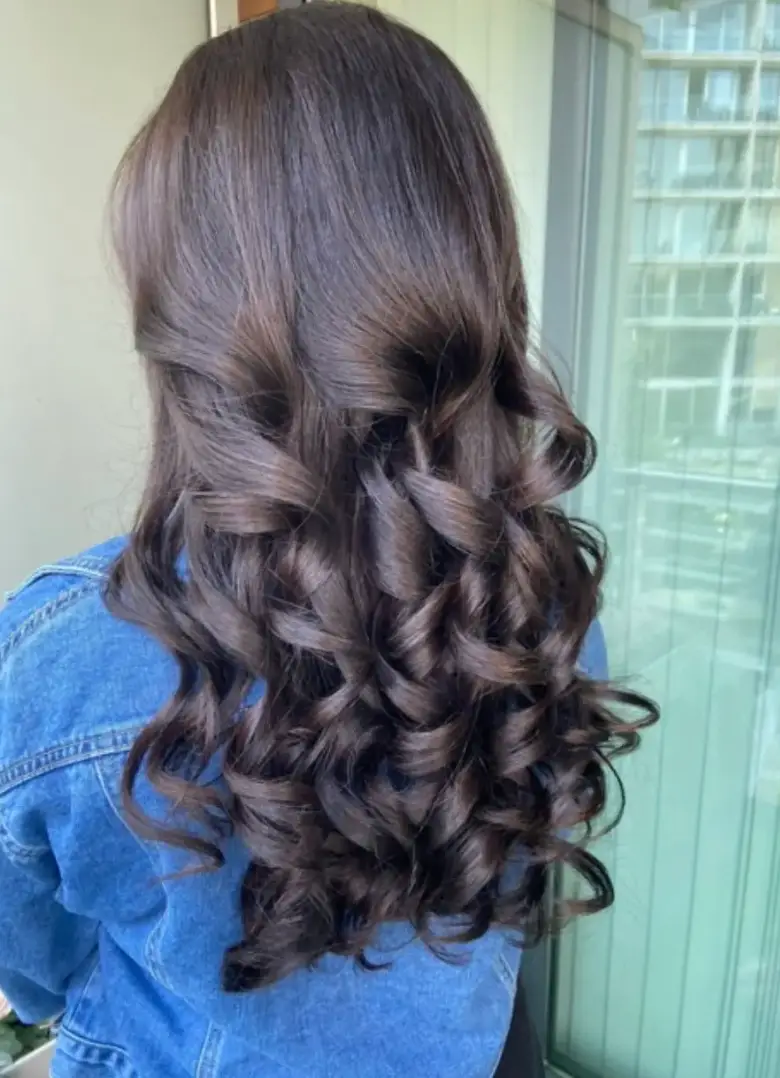
She told Tyla: “My hair now is much, much better. It’s long and thick and completely different hair to what it was then.
“I did notice that when my hair grew back in, the texture grew a bit differently, so prior to 2017 my hair would hold curl really well; it was easier to style, it clung to products a bit more. “Whereas now, it struggles to hold curls unless it's got a lot of product in. I don’t know if it will ever be exactly as it was back then, but it's definitely miles better now.”
‘Ferritin hair,’ explained by an expert
Tyla spoke with GP and Chief Medical Officer at Forth, Dr Thom Phillips, who explained that ‘hair follicles are among the fastest-dividing cells in the body, and iron is essential for making the DNA those cells need to grow’.
He told Tyla: “When your iron stores run low, your body prioritises vital organs like your heart and brain, and non-essential tissue like hair is first to miss out.
“More follicles than usual shift from their growing phase into their resting phase, and a few months later they fall out.”
This type of shedding is called ‘telogen effluvium,’ and Dr Phillips explains that the delay is why many people, like Sophia, don’t connect it to the cause.
“Typically, you’ll notice more hair in your brush, plughole or on your pillow, and an overall thinning rather than bald patches,” he added.
The health expert explained that iron deficiency is the ‘most common nutritional deficiency in the world’ and women are most affected because of periods, pregnancy and diet.
Globally, around a third of women of reproductive age are anaemic, and iron deficiency is the leading cause, but many more have low iron stores without being anaemic.
He told Tyla: “ In our large database of blood results collected from UK adults, around one in five young women had ferritin below 30 µg/L, which is extremely low.
“That matters for hair, because shedding can start well before your blood count looks abnormal. It’s also why a standard blood count alone can miss it.
“Hair shedding is one of the most common reasons women come to see me about their iron.”
What to do if you’re experiencing ‘ferritin hair’
If this is all sounding familiar to you, the first thing you want to do is get yourself to the GP for a blood test.
Dr Phillips advised: “Ideally, an iron panel, which measures a few of your key iron markers, alongside a full blood count, inflammation markers and thyroid function, as thyroid problems cause similar shedding.
“If your iron is low, your doctor can recommend a supplement. Taking it once a day or on alternate days is often better absorbed and easier on the stomach, and taking it with vitamin C while avoiding tea and coffee around the same time helps too. “
He added: “Eat iron-rich foods such as red meat, fish, beans, lentils and dark leafy greens. Most importantly, be patient. Hair grows slowly, so it can take three to six months for shedding to settle and up to a year to see real regrowth.
“If you notice bald patches, scalp irritation, or shedding that doesn’t improve, see your GP.”
Topics: Health, Women's Health, Tyla Exclusive, Real Life, Life, Social Media
 Madison Burgess