tyla homepage
  • News
  • Life
  • TV & Film
  • Beauty
  • Style
  • Home
  • News
    • Celebrity
    • Entertainment
    • Politics
    • Royal Family
  • Life
    • Animals
    • Food & Drink
    • Women's Health
    • Mental Health
    • Sex & Relationships
    • Travel
    • Real Life
  • TV & Film
    • True Crime
    • Documentaries
    • Netflix
    • BBC
    • ITV
    • Tyla Recommends
  • Beauty
    • Hair
    • Make-up
    • Skincare
  • Style
    • Home
    • Fashion
    • Shopping
  • Advertise
  • Terms
  • Privacy & Cookies
  • LADbible Group
  • LADbible
  • UNILAD
  • SPORTbible
  • GAMINGbible
  • UNILAD Tech
  • FOODbible
  • License Our Content
  • About Us & Contact
  • Jobs
  • Latest
  • Archive
  • Topics A-Z
  • Authors
Facebook
Instagram
X
Threads
TikTok
Submit Your Content
One blood type has lowest risk of heart attacks and blood clots

Home> Life

Updated 14:12 24 Mar 2026 GMTPublished 16:48 17 Mar 2026 GMT

One blood type has lowest risk of heart attacks and blood clots

The blood type does increase the risk of some diseases

Jen Thomas

Jen Thomas

google discoverFollow us on Google Discover
Featured Image Credit: Getty Stock Images

Topics: Health, NHS, Cancer

Jen Thomas
Jen Thomas

Jen Thomas is a freelance journalist and radio presenter for Magic Radio and Planet Rock, specialising in music and entertainment writing.

X

@jenthomasradio

Advert

Advert

Advert

Research has shown that your blood type could lower your risk of some diseases, with one particular blood group having a lower risk of heart attacks and some cancers.

If you don't know what type you are, you can ask at your next blood test or when you go to donate blood, as one lucky group is at a lower risk of blood clots and heart attacks and even some cancers.

There are four different blood types, which are A, B, AB, and O.

Each of these groups are then split further into positive or negative types, so A-positive is different from A-negative, and so on.

Advert

The negative or positive refers to whether your blood carries the rhesus protein, often referred to as the Rh protein.

Most people are positive blood types, but that doesn't mean it's bad to be negative.

Rh-negative individuals can develop antibodies if accidentally given Rh-positive blood, especially during pregnancy.
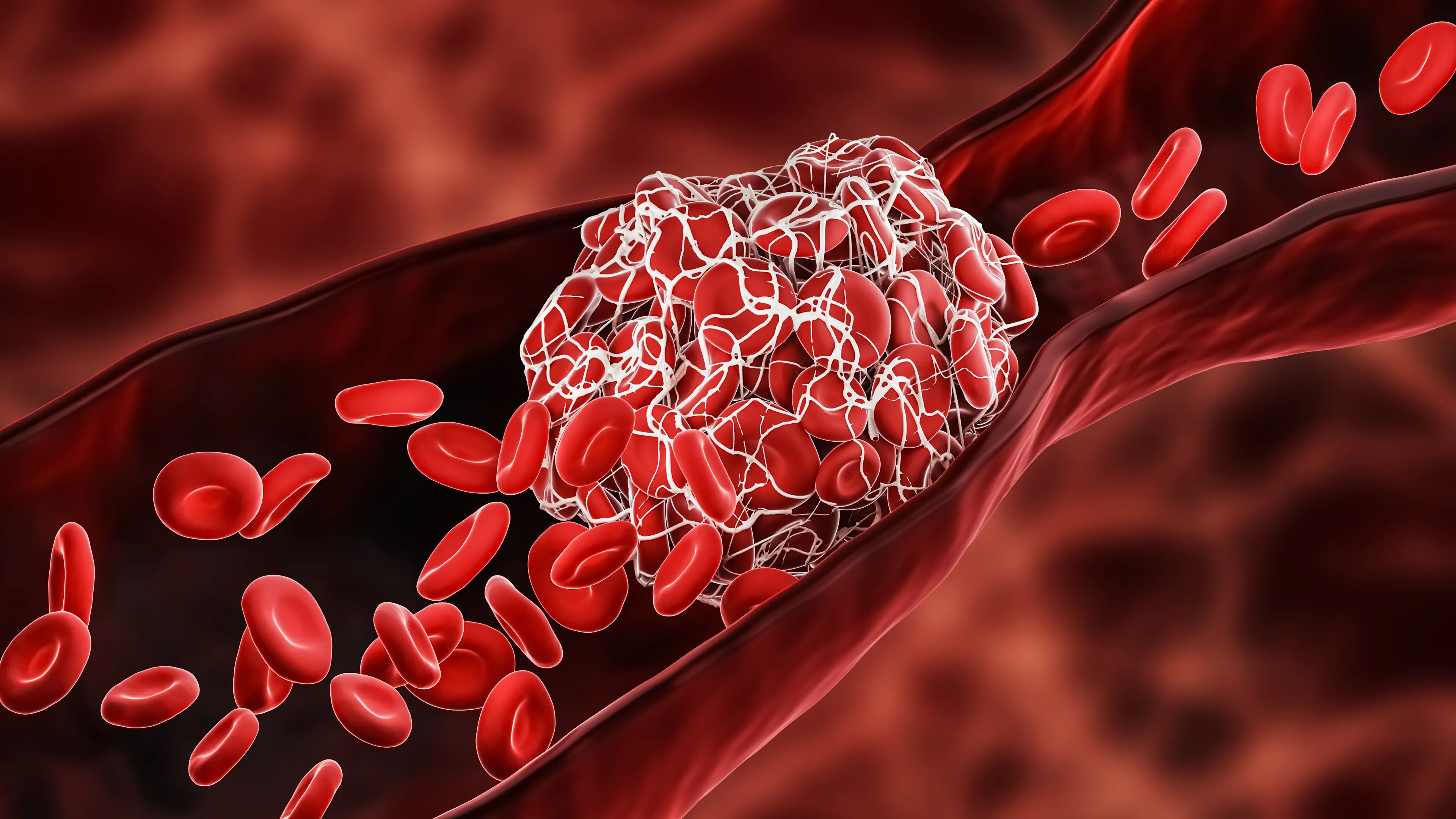
Blood types can tell us many things about our health (Getty Stock Images)

Lowest risk of blood clots

According to Northwestern Medicine, it turns out that Type O, both positive and negative, are at the lowest risk of heart attacks and clotting.

It's believed this is because people with the other blood types have higher levels of clotting factors in their blood.

These are proteins that cause blood to coagulate - in other words, thicken and go solid, which can cause clots.

A 2017 study which analysed 1.3 million people found that 14 in 1,000 people with Type O blood suffered heart attacks, which rose to 15 in 1,000 people for other blood types.

The researchers said people with non-O blood have a nine percent increased risk of coronary and cardiovascular events like heart attacks and strokes.

Luckily, Type O is the most common blood type - around 48% of the population have it.

Lower risk of some cancers

People with Type O also appear to be at lower risk of certain cancers.

The Shanghai Cohort Study, which followed 18,000 men in the city for 25 years from 1986, found that people with Type A blood have a higher risk of stomach cancer and colorectal cancer than people with Type O.

People with Type O blood also had a 15 percent lower risk of pancreatic cancer than Type A.

Not all good news

Type O doesn't have the advantage for every disease, however.

According to JAMA Network, some studies have found that people with Type O blood have a higher risk of cholera and norovirus.

Dr Sean Stowell, a transfusion specialist at the Brigham and Women’s Hospital and Harvard University in Boston, said: "It’s probably why we still have ABO blood groups in the population," explaining that each offers an evolutionary advantage against different diseases.
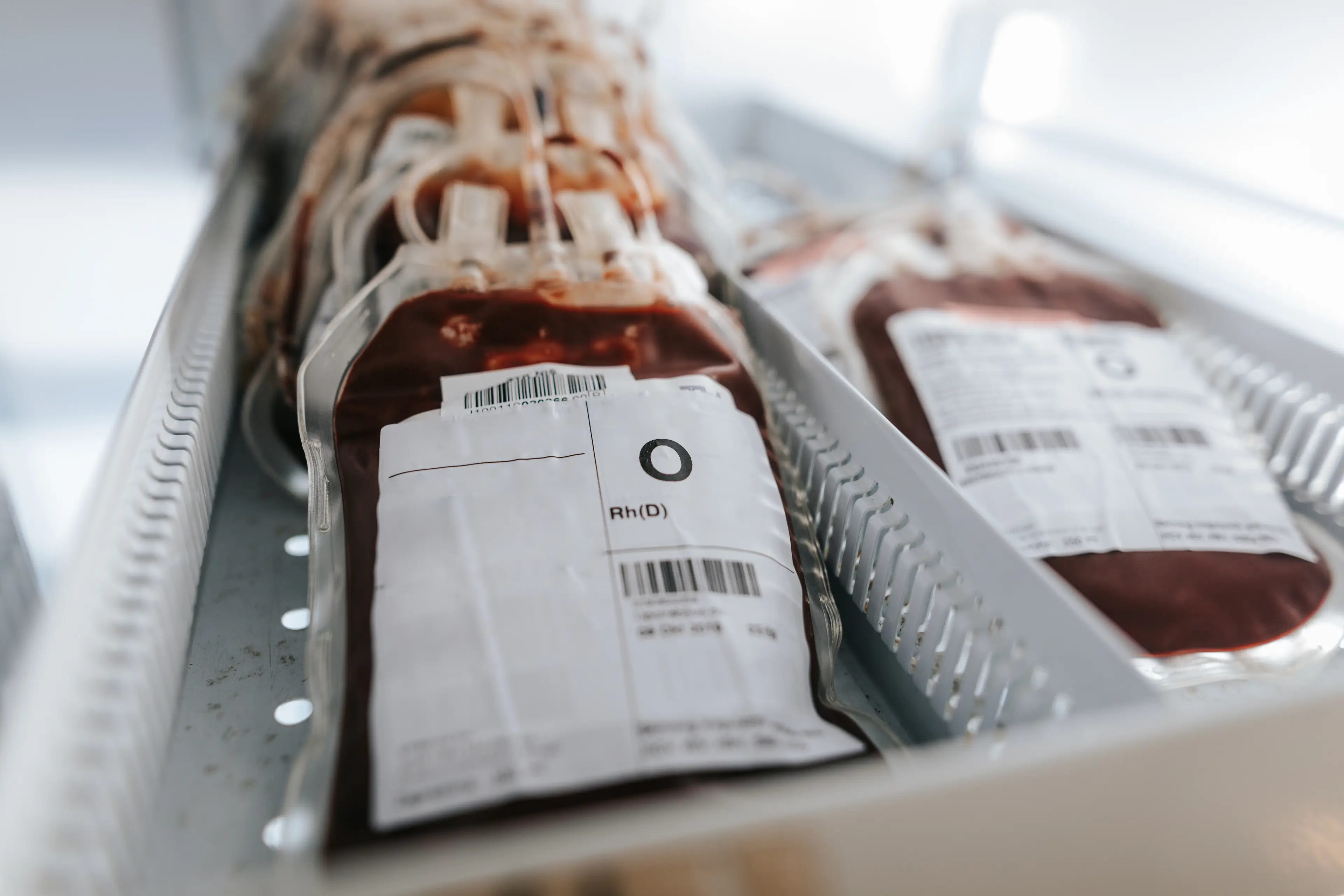
This blood type has a lower risk of many conditions (Getty Stock)

UK blood type breakdown

According to the NHS Donate Blood website, these are the averages for each blood type in the UK, from the most common to the rarest.

  • O positive: 35% - 36%
  • A positive: 28% - 30%
  • O negative: 13% - 14% (Often called the "universal donor" type)
  • A negative: 8%
  • B positive: 8% - 10%
  • B negative: 2% - 3%
  • AB positive: 2%
  • AB negative: 1% (Rarest)

Choose your content:

a day ago
  • Getty Stock Images
    a day ago

    Two star signs people say are the ‘worst’ in bed

    It's bad news if you or your partner are one (or both!) of these...

    Life
  • Getty Stock
    a day ago

    Five questions you should never ask during sex

    People have been suggesting things to say on TikTok, and experts have weighed in

    Life
  • Getty Stock Image
    a day ago

    Five major changes you may experience after April's Pink Moon

    The Pink Full Moon in Libra, which lit up our skies this week, symbolises reflection, renewal, and change - here's what it means for you

    Life
  • Getty Stock Images
    a day ago

    'Cicada' Covid strain 'more likely' to affect one age group, scientists say

    'Cicada' Covid earned its nickname by remaining underground for several years until suddenly emerging, like the insects

    Life
  • What your blood type means for you as one category increases cancer risk
  • Severe Covid-19 could increase risks of one type of cancer
  • Simple ways to reduce high blood pressure risk as mortality rates surge among young women
  • Study claims certain blood types have increased risk of common cancer that is rapidly increasing among young people