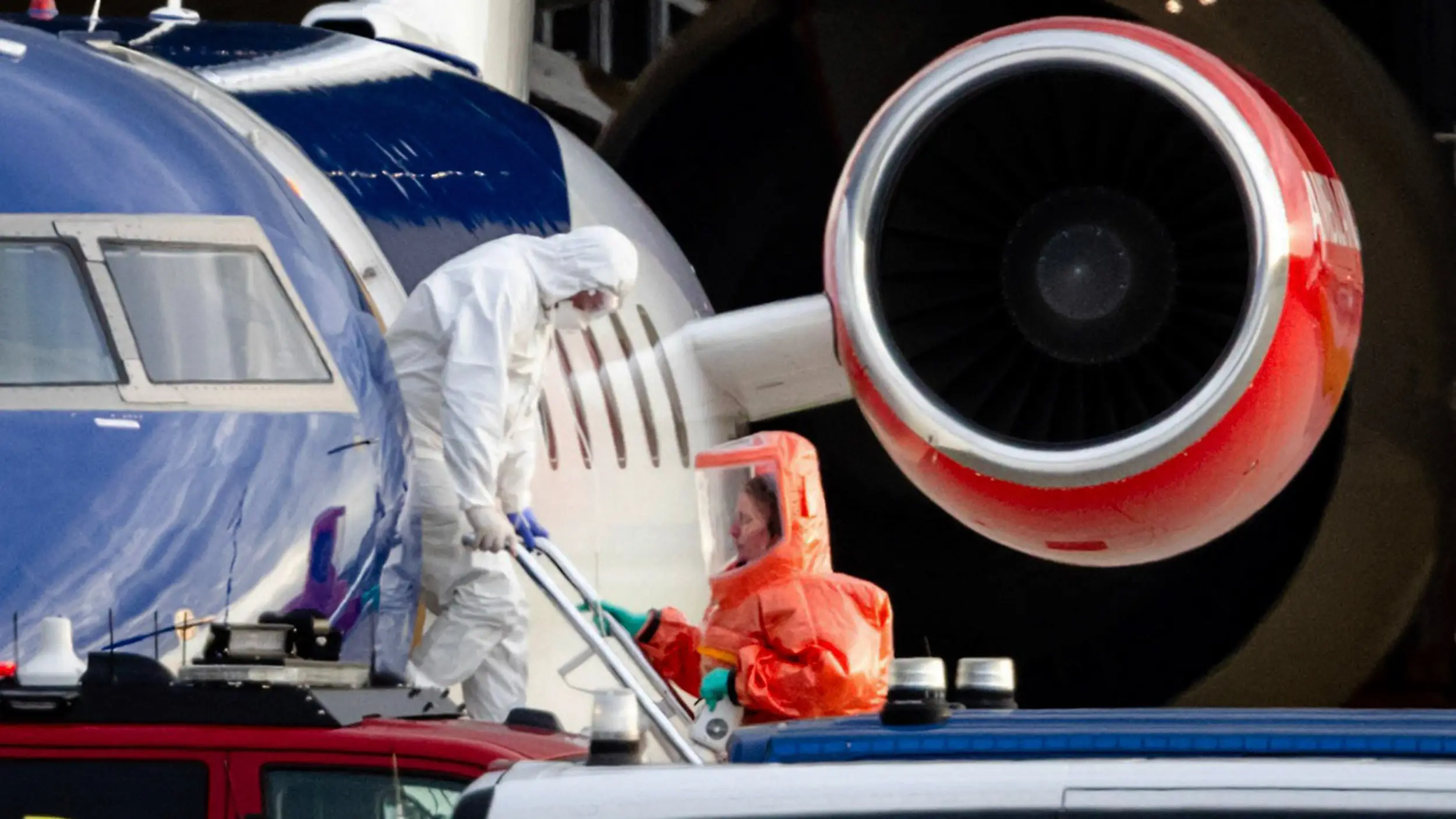
Passenger evacuated from hantavirus cruise MV Hondius now in ‘serious' condition

Topics: Cruise Ship, Health, Travel, World News, News, UK News
 Madison Burgess
Topics: Cruise Ship, Health, Travel, World News, News, UK News
Authorities have confirmed three new positive cases linked to the deadly hantavirus outbreak, after passengers were evacuated from the MV Hondius cruise ship and repatriated to their home countries.
Among them is a French woman who is now in a 'very critical' condition, the World Health Organization confirmed, as per The Guardian.
The Spanish health minister, Javier Padilla Bernáldez, explained that the woman, who had been travelling on the ship, had been suffering from flu-like symptoms, but they seemed to be getting better, and she didn't have a fever.
She reported her symptoms on board, but they were brushed off as 'anxiety or stress' by doctors from the European Centre for Disease Prevention and Control and the Spanish foreign health service.
Advert
Padilla said: "They were not thinking that these symptoms were compatible with hantavirus. Why? Because what she was telling [them] was [that she had] an episode of coughing some days ago that had disappeared, and what she was having at that moment was kind of like stress or anxiety or nervousness. So it was not catalogued [as hantavirus]."
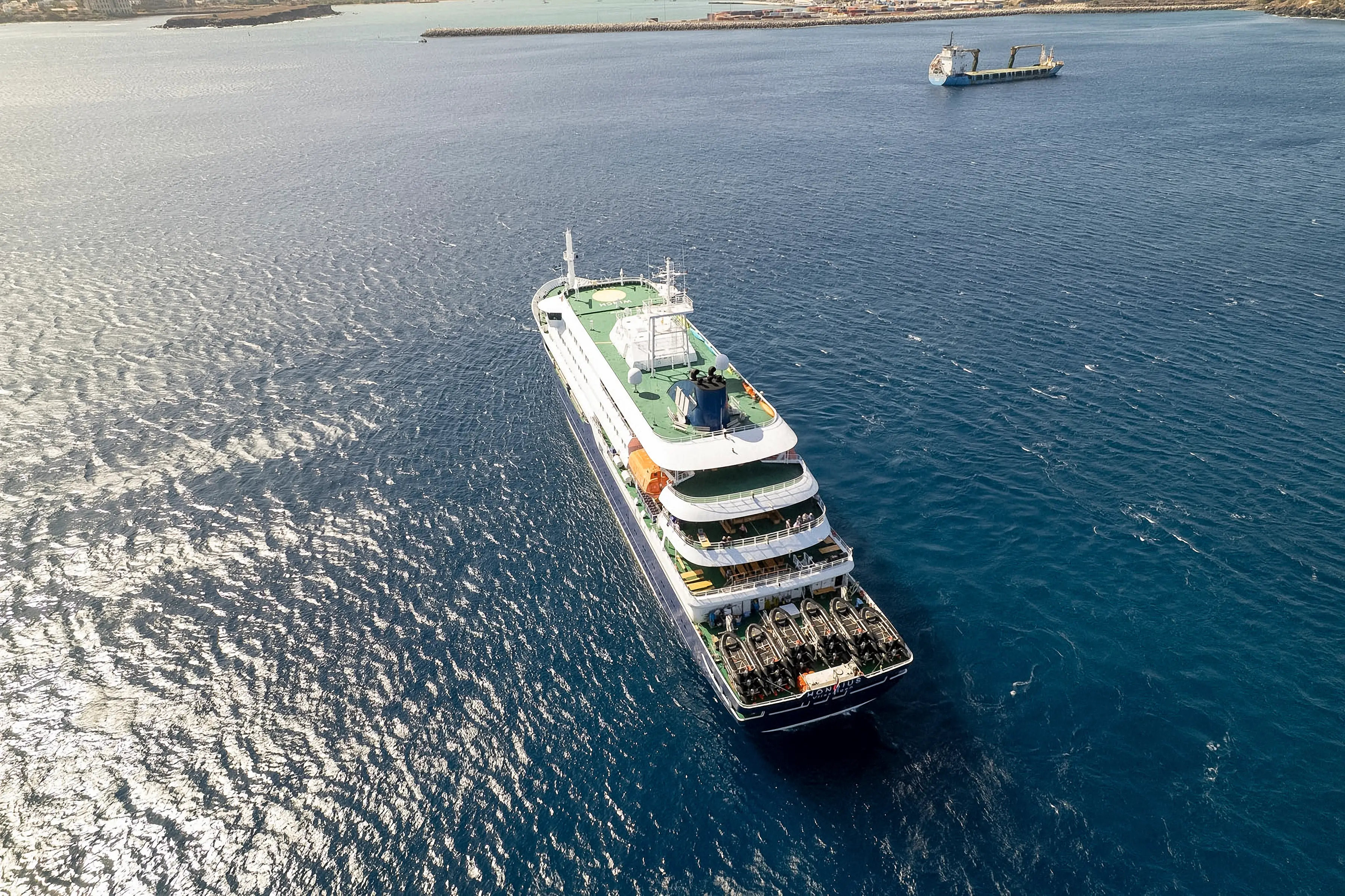
She was one of five French passengers who disembarked from MV Hondius in Tenerife on Sunday (10 May) before being flown to a hospital in Paris.
French health minister, Stéphanie Rist, said that 'unfortunately, her symptoms worsened overnight' and confirmed that she's currently being treated in a specialised infectious diseases unit of a hospital in the French capital.
The BBC reports that an American national who also returned home has tested positive, according to authorities, while Spain's health ministry added that someone else who is quarantining in Madrid after being evacuated from the vessel also tested positive on Monday (11 May).
This brings the confirmed number of cases of hantavirus linked to MV Hondius up to seven, with two others suspected.
Three people died after travelling on the Dutch ship, which was headed to Cape Verde from Argentina, two of whom were confirmed to have had the virus.
Hantaviruses are a group of viruses carried by rodents such as mice and rats, transmitted by their droppings and urine.
While most don't pass from person to person, rare instances of human transmission have been seen in the Andes virus strain, the one at the centre of the cruise ship outbreak.

On Sunday, after the ship docked in Tenerife, a major disembarkation process took place, in which the travellers were escorted to shore by personnel in full-body protective gear and breathing masks.
They were then repatriated to their home countries in military buses with no contact with the public.
Twenty British nationals, along with a German who is a UK resident and a Japanese passenger, were taken to Arrowe Park Hospital on the Wirral, where clinical assessments and testing are underway.
Arrowe Park will house the group for three days in total before they are sent home to continue isolating for a further 42 days. If people cannot go home, they will be placed in other accommodation to see out the isolation period.
Another British national has hantavirus and is isolating where he lives on the remote South Atlantic Island of Tristan da Cunha.
Over the weekend, six paratroopers, an RAF consultant, and an Army nurse from 16 Air Assault Brigade were parachuted onto the island to help care for him.
The Andes strain of hantavirus is very rare. Microbiologist Dr Gustavo Palacios told CNN there have only ever been 3,000 known cases.
It is the only documented form of hantavirus with human-to-human transmission. One study showed that window for patients to be infectious was about a day, when they develop a fever. But they also found it was transmissible through only brief proximity to an infected person.
Andes virus (ANDV) is primarily found in South America and has a high fatality rate, between 20 and 40 percent. It can cause hantavirus pulmonary syndrome (HPS), which attacks the lungs. Symptoms start one to eight weeks after infection and the first signs can include:
Later symptoms include: